Real-Time Big Data Analytics: A Complete Guide

Want to know more? — Subscribe
Real-time big data analytics is a blend of advanced technologies and methods used to harness the continuous flow of data. This indispensable tool provides…
Real-time big data analytics is a blend of advanced technologies and methods used to harness the continuous flow of data. This indispensable tool provides operational enhancement, cost savings, and improved customer relations.
We at Softermii know how important it is to respond to trends, anomalies, or specific events as they're happening. Quick processing and analyzing of information can provide businesses with a competitive edge.
This article explains everything you wanted to know about real-time data analytics: its mechanics, benefits and challenges, used tools, and case studies across industries.
Ready to make real-time analytics a cornerstone of your business strategies and operations? Keep reading!
Want a skimmable version?
Get a quick overview of our article with AI to access all the important information quickly.
Generate AI SummaryHide summary
Want a skimmable version?
Get a quick overview of our article with AI to access all the important information quickly.
Generate AI SummaryHide summaryA complete guide to real-time big data analytics — the underlying mechanics, benefits, and cross-industry use cases.
The Mechanics of Real-Time Analytics
Businesses can extract insights thanks to big data and real-time analytics. But how does it function? We need to discover the core technologies behind it to understand its true power and significance.

Project Calculator
Get the detailed project estatimation – choose the details of your product and calculate the quote of the development
Calculate nowFundamental Technologies Behind Real-Time Analytics
These technologies ensure that data is processed swiftly and efficiently. They reveal how we've evolved past traditional data processing and analysis methods.
- In-Memory Computing
Traditional disk-based databases can't keep up with the speed of real-time data. Data is stored in the system's RAM, facilitating quick access and processing. Examples include Redis and Apache Ignite.
- Distributed Systems
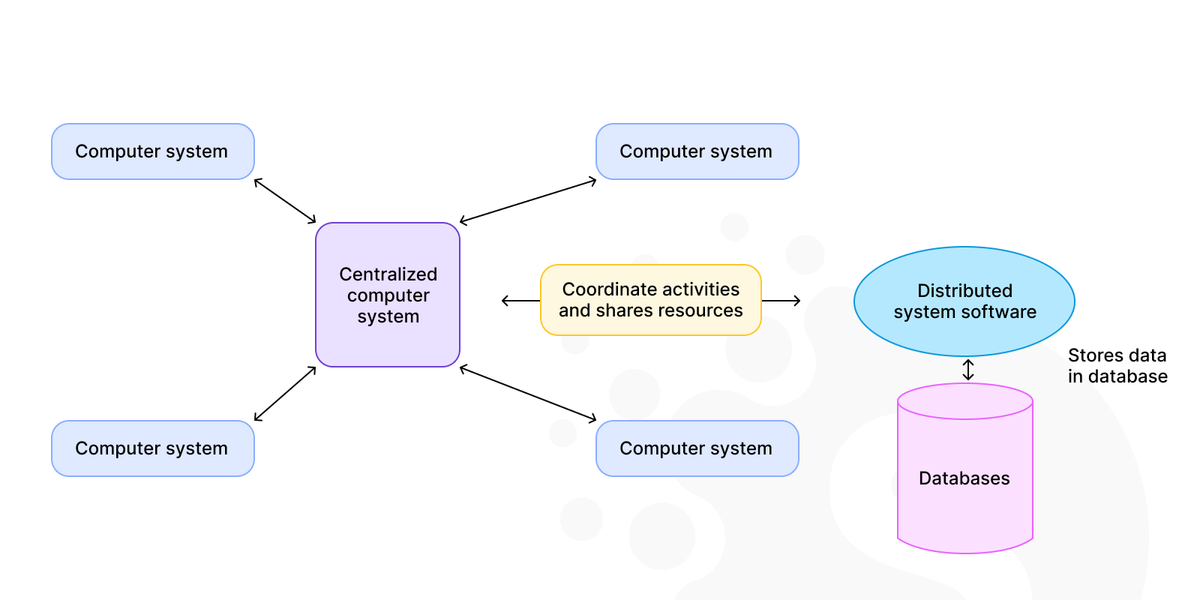
In real-time web analytics, data streams from numerous sources concurrently. Distributed processing systems, such as Apache Hadoop and Apache Spark, break the data into smaller chunks, process it in parallel, and combine the results.
- Event-Driven Architecture
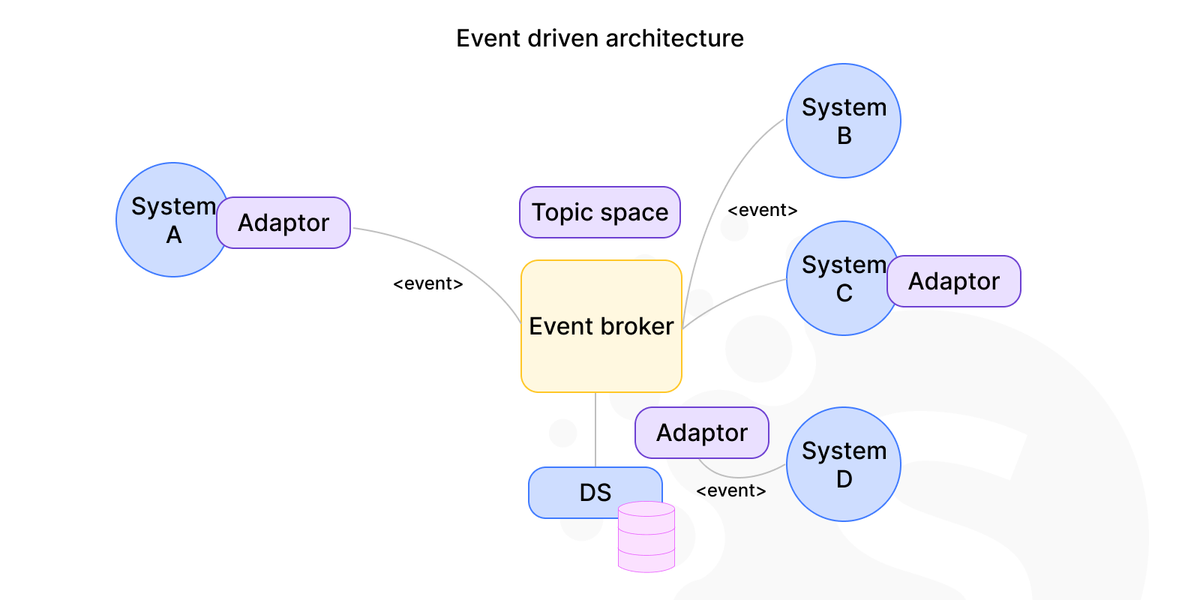
Actions are usually triggered by events rather than by traditional periodic batch processes. A design with event-driven architecture responds immediately to data inputs, ensuring timely processing and analysis.
The Role of Streaming Platforms
Streaming platforms or stream processing frameworks are essential for managing and analyzing real-time high-velocity data. They ensure the continuous input and processing of data, providing instantaneous insights.
- Continuous Data Ingestion
Apache Kafka and Amazon Kinesis platforms enable continuous ingestion of data. As data is generated, these platforms route it to analytics engines for immediate processing.
- Scalability and Reliability
Streaming platforms are designed to handle massive data torrents. They can accommodate increasing data loads and ensure data integrity and fault tolerance.
- Integration with Analytics Engines
Streaming platforms can integrate with real-time analytics engines such as Apache Storm or Spark Streaming. It allows data to be processed and analyzed as soon as it's ingested.
- Stateful Stream Processing
Modern streaming platforms offer the capability to maintain state information across data streams. It is crucial when the context is necessary for real-time analysis. For example, tracking a user's activities in a session or monitoring the sequence of transactions in a fintech app.
Advancing with Machine Learning and AI
Integrating machine learning with AI models can enhance the capability of real-time systems. It enables them to predict outcomes, detect anomalies, or recommend actions based on the streaming data in data science projects. TensorFlow and PyTorch for Python, when combined with streaming platforms, can make these predictions in real time.
Benefits of Real-Time Big Data Analytics
Organizations rely on the immediacy and comprehensiveness of advanced data analytics. The advantages of this approach extend beyond instant data access. Let's explore the multifaceted benefits of integrating real-time analytics into a business's framework.
Faster Decision-Making Capabilities
Real-time data can offer immediate insights, so there's no need to rely on batch processes or manual data compilation. This immediacy is useful with continuous market shifts and operational challenges.
$18 billion
The market size for BI and analytics software applications is predicted to grow worldwide to more than $18 billion in 2026
With machine learning, real-time analytics offers predictive insights, making businesses more proactive. Thus, they gain a competitive advantage in industries where decision-making speed is paramount.
Enhanced Customer Experience
Companies can offer a personalized touch when they understand customer behaviors and preferences. Thus, businesses provide more tailored product recommendations, relevant content, and efficient customer support. With real-time data analytics, targeted marketing campaigns become precise, enhancing success rates.
Operational Efficiencies and Cost Savings
A clear view into operations allows for resource allocation optimization, ensuring minimal wastage. The operational process automation reduces the need for manual intervention and the associated errors. The resultant efficiency often translates into large cost savings over time.
Risk Management and Fraud Detection
Real-time analytics enable immediate alert generation when anomalies or unusual patterns emerge. These notifications allow for swift risk management actions. For instance, in fintech, analyzing transaction patterns enables detecting and preventing potential fraudulent activities.
Use Cases Across Industries
Real-time big data analytics' versatility and wide-reaching impact have led to its adoption across business sectors. Each industry can address its unique challenges and optimize specific processes. Here's a brief look into the data analytics best practices and how they made a difference.
Healthcare: Predictive Patient Care
Modern healthcare is shifting towards proactive rather than reactive care. Real-time analytics is at the heart of this transformation. Medical professionals can identify potential complications by monitoring patient metrics and ensuring timely interventions. Hospitals can detect early indicators of deteriorating patient conditions. Predictive patient care can save lives, improve outcomes, and optimize healthcare resources.
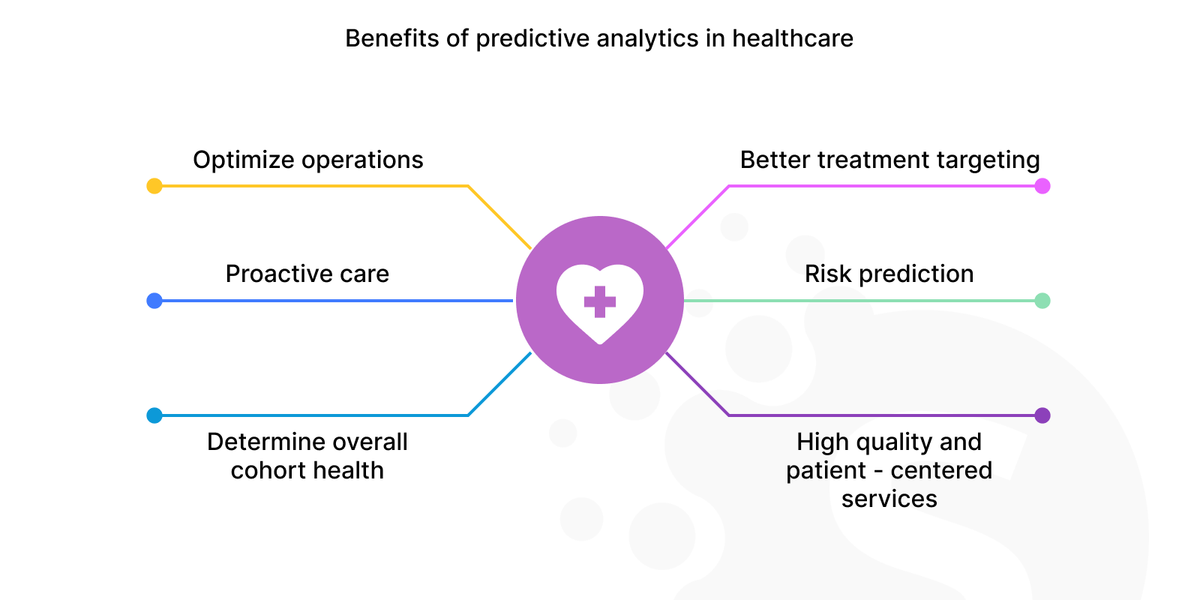
Mayo Clinic's innovative Clinical Data Analytics Platform employs real-time data analytics to enhance healthcare outcomes. By integrating diverse healthcare datasets, the platform creates a comprehensive patient health profile. It ensures data privacy and enables secure collaboration on AI and machine learning models. Partnering with nference, Mayo Clinic accelerates drug discovery and optimizes patient-treatment matching. This approach offers transformative potential in patient outcomes and healthcare advancement.
E-commerce: Personalized Shopping Experiences
E-commerce platforms stay focused on delivering individual experiences to their customers. These platforms monitor online browsing habits, clicks, and purchase histories through real-time analytics. It allows them to offer personalized product suggestions and deals. The results include an enhanced user experience, increased sales conversions, and brand loyalty encouragement.
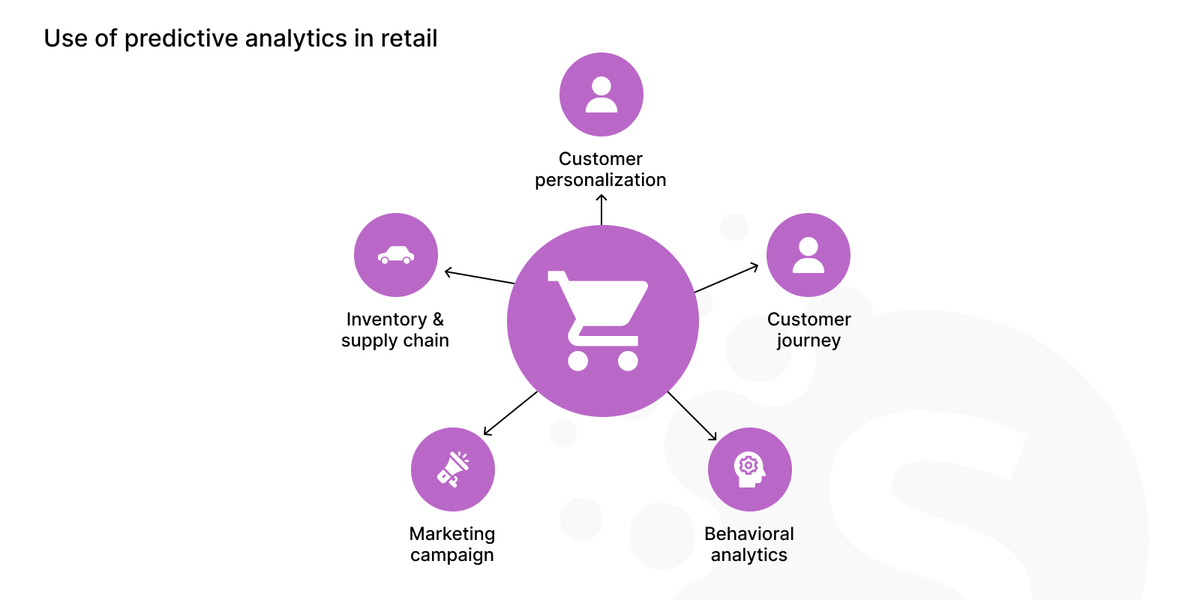
Amazon is one of the frontrunners in applying big data and real-time analytics for personalization. The company analyzes user activity, from searches to purchases. This data powers Amazon's recommendation engine, offering users tailored product suggestions and ads. It's a cornerstone of Amazon's digital strategy, vital to customer retention and increased sales.
Fintech: Fraud Detection and Prevention
The financial sector is particularly vulnerable to fraudulent activities. Real-time big data analytics provides a tool to safeguard the users. By analyzing transaction patterns, fintech platforms can identify anomalies or suspicious activities. For instance, if a credit card is used in two distant locations within a short timeframe, the system can flag this as potential fraud, halting fraudulent activities and protecting user assets.
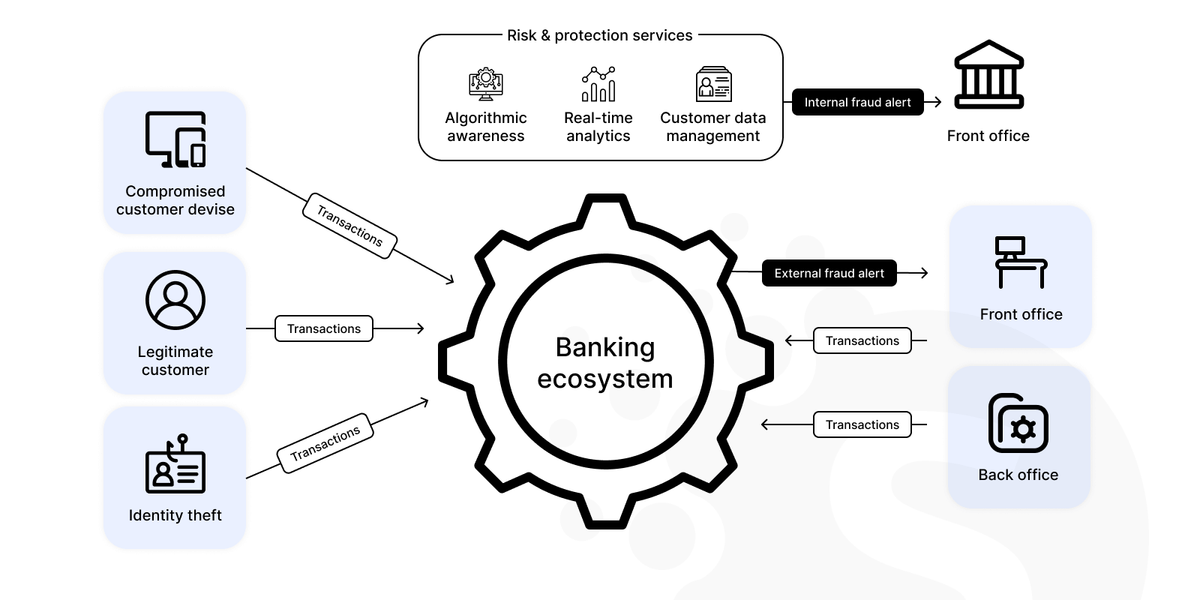
American Express utilizes advanced real-time analytics to detect and prevent fraudulent transactions. Analysis of millions of transactions allows them to spot potentially fraudulent activities. They examine spending patterns, transaction amounts, and even the location of purchases. When detecting a suspicious transaction, the system notifies the cardholder, requesting verification, thereby minimizing potential financial losses.
Transportation: Real-time Traffic Management
Urban centers around the world grapple with traffic congestion and its associated challenges. Big data analytics in real-time offers solutions. Traffic management systems process data from cameras, GPS devices, and mobile apps. A real-time overview of road conditions assists with dynamic traffic rerouting, predicting congestion points, and adjusting traffic lights to optimize traffic flow. The result is more efficient transportation networks and reduced commute times.
Uber's transportation platform relies on real-time big data analytics. It processes data from drivers' GPS, user demand, and other sources to optimize ridesharing routes and pricing. The platform can predict potential congestion points and reroute drivers during high-demand periods. This way, they guarantee timely pickups and drop-offs. The same data also powers Uber's dynamic pricing model, adjusting prices based on real-time demand.
Challenges in Implementing Real-time Big Data Analytics
Any technological advancement may come with its set of challenges. To gain the most out of real-time analytics, companies must be aware of these challenges and have strategies to address them.
Data Integration & Quality Issues
Integrating various systems and software into a unified analytics platform can be challenging. Companies must ensure data consistency, accuracy, and timeliness across disparate sources. Moreover, the real-time nature of the analytics demands that the integrated data be high quality. Poor quality data often leads to inaccurate insights, harming decision-making processes.
Scalability Concerns
Processing real-time data often involves handling massive volumes, particularly for large organizations. The analytics infrastructure must be scalable enough to handle these data seamlessly. Traditional systems may struggle, requiring investments in newer, scalable technologies. Yet, this transition can be costly and time-consuming for companies.
Security & Privacy Considerations
Due to their continuous data flow, real-time analytics systems can be vulnerable to cyberattacks. Moreover, regulatory standards, such as GDPR and CCPA, mandate stringent data privacy measures. Companies must find the balance between speedy data mining and ensuring that user privacy isn't compromised.
Infrastructure & Cost Implications
Real-time analytics systems come with investments in infrastructure and human expertise. They include fast processing hardware, storage, and advanced analytics tools costs. Hiring or training staff proficient in real-time analytics also contributes to the financial commitment.
Ensuring Continuous Uptime
Due to the real-time nature of the analytics, any downtime can result in data loss or delayed insights. Ensuring the system remains operational 24/7 requires meticulous planning and robust fail-safe mechanisms.
Leading Tools and Platforms for Real-Time Analytics
Every tool in real-time analytics of big data is designed for specific aspects of the analytics process. These technologies empower organizations to maximize the benefits of immediate data analysis. Here's an overview of the main platforms and tools for your business.
According to Statista, by 2025, global data creation is projected to grow to more than 180 zettabytes
Apache Kafka
Kafka is primarily designed for building real-time data pipelines and streaming apps. The distributed event streaming platform is scalable, durable, and fault-tolerant. These criteria make it a preferred solution for companies requiring real-time analytics.
Its capabilities include:
- data integration from various sources;
- ensuring a continuous flow of data;
- serving as the backbone for real-time data pipelines.
Spark Streaming
An extension of the Apache Spark API, Spark Streaming facilitates the processing of live data streams. It breaks down the data into micro-batches and processes them using Spark's capabilities. This tool for large-scale real-time data processing offers scalability and fault tolerance. It can also integrate with other data sources and sinks, like HDFS, Flume, and Kafka.
Elasticsearch
As a component of the Elastic Stack, Elasticsearch is a search and analytics engine. It can index large amounts of data and provide real-time search capabilities. Whether it's log or event data, Elasticsearch can analyze it and provide instant insights. It's also compatible with visualization tools like Kibana. Thus, it becomes even more valuable for businesses looking to derive real-time insights visually.
Amazon Kinesis
Kinesis collects, processes, and analyzes real-time data streams as a product of the AWS ecosystem. It offers multiple capabilities, including:
- Kinesis Data Streams for building custom real-time applications;
- Kinesis Data Firehose for loading streams to other AWS cloudservices;
- Kinesis Data Analytics for real-time analytics using SQL.
Apache Flink
An open-source stream processing framework, Flink, offers remarkable speed in data processing, achieving minimal latency. It's designed for stateful computations and can handle extensive data streams. Flink is a perfect solution for organizations seeking speed and dependability in analytics processes.
Apache Storm
Apache Storm processes millions of tuples per second per node and can be used with any programming language. Its ability to ensure data processing with ease and reliability makes it a popular choice for real-time analytics tasks.
Conclusion
Real-time data analytics helps businesses turn vast data streams into actionable strategies right away. Companies can enhance their operations and create more value for their users and stakeholders. Not using real-time analytics means reacting instead of acting, which can lead to missed chances and less relevance in the industry.
Are you ready to employ big data analytics? Softermii is here to help you address market shifts, enhance customer experiences, and outpace competitors. Contact us today to thrive in a data-driven world.
Real-time big data analytics is an indispensable tool that provides operational enhancement, cost savings , and improved customer relations
Frequently Asked Questions
How does real-time analysis differ from batch processing?
Real-time analysis and batch processing are two distinct modes of data processing. The real-time analysis processes data continuously and immediately as it's generated. It is crucial for scenarios requiring immediate action based on data insights.
Batch processing collects data over a set period and processes it as a grouped batch. This method can handle large volumes of data, but there's an inherent delay in obtaining insights as analysis begins after the data collection phase concludes.
How do privacy concerns impact the adoption of real-time analytics?
Regulatory standards like GDPR and CCPA have set stringent data privacy and protection norms. Analytics often involves processing personal and sensitive data, so ensuring privacy and compliance becomes paramount. Companies can become hesitant because of potential misuse, data breaches, or non-compliance concerns. To address these concerns, businesses often need to invest in:
What industries benefit the most from real-time analytics?
Real-time analytics has applicability across various industries, but some sectors realize immediate and pronounced benefits:
How does real-time analytics integrate with AI and machine learning?
AI/machine learning models can be fed real-time data to make instant predictions or decisions. In fintech, real-time transaction data can be analyzed using AI to detect potential fraudulent activities. In e-commerce, machine learning algorithms can use user behavior data to recommend products.
Can real-time analytics integrate with other business systems?
Modern real-time analytics platforms are designed to integrate with various business systems. These integrations allow generated to be immediately utilized across different business functions.
How about to rate this article?
13 ratings • Avg 4.5 / 5 · Thanks for rating!
Written by:

CEO & Co-Founder
Slava Vaniukov is the CEO and Co-Founder of Softermii, with more than 10 years on the front lines of software development. He has spent that decade helping founders and enterprises turn ambitious ideas into products that ship — and that perform. Apps built by his teams have been featured on multiple “Top 10 Best App…