Online Payment Gateway Integration: Complete Guide

Want to know more? — Subscribe
The choice to integrate a payment gateway can make or break the shopping experience for customers. Accepting various payment methods seamlessly has become…
The choice to integrate a payment gateway can make or break the shopping experience for customers. Accepting various payment methods seamlessly has become essential for e-commerce businesses to succeed. However, integrating payment gateways can be a complex process.
As a leading custom software development company with over nine years of experience, Softermii understands the technical requirements around payment gateway integration in e-commerce websites. Our expertise allows us to provide everything businesses need to know to offer their customers their preferred payment options. We'll explore gateway solutions' different types and features and discuss the integration costs in this article.
Want a skimmable version?
Get a quick overview of our article with AI to access all the important information quickly.
Generate AI SummaryHide summary
Want a skimmable version?
Get a quick overview of our article with AI to access all the important information quickly.
Generate AI SummaryHide summaryA complete guide to online payment gateway integration — the gateway types, must-have features, and how to choose one.
Types of Payment Gateways
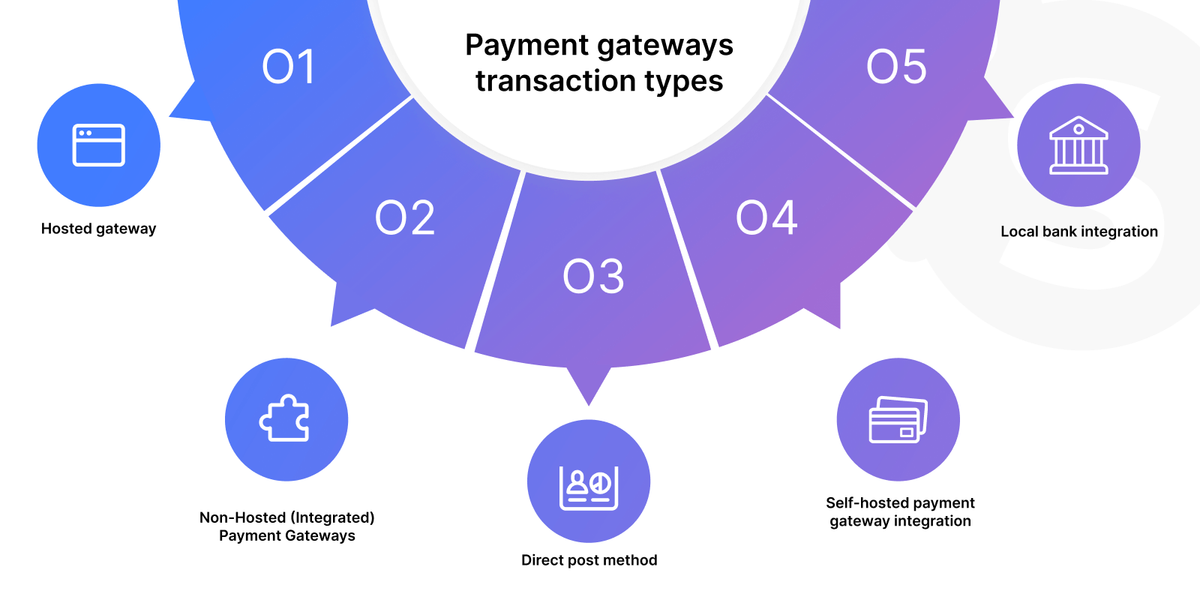
Payment gateways are like online bodyguards for money. They ensure that when you buy something online, the money goes securely from your bank to the seller's. Integration of a payment gateway depends on your business's needs, technical capabilities, and the customerexperience you aim to deliver.
Hosted Payment Gateways
They redirect the user from a website to the gateway's platform to complete the payment process. After the transaction, the user returns to the initial website.
They're simple to set up and manage as the payment processor handles security and PCI compliance concerns. However, the redirect could disrupt the seamless experience for some users, leading to cart abandonment.
Integrated Payment Gateways
They integrate directly with e-commerce websites via APIs. Payments are processed without users having to leave the site.
Integrated gateways offer a more seamless user experience and keep the brand consistent. But, they require technical expertise to set up and maintain. Businesses may need to handle some security and PCI compliance aspects.
Self-hosted Payment Gateways
Businesses handle the payment data collection themselves. After gathering payment details, the data is sent to the gateway's URL.
Self-hosted gateways allow for a high customization level and control over the user experience. Yet, handling customerdata means a higher level of responsibility for security and compliance.
Local BankIntegration
Customers are redirected to the bank's page to make a payment. Once done, the system will return them to the website.
Users familiar with their bank's interface generally perceive them as more trustworthy. But, like with host payment gateways, the redirect might deter some users.
Direct Post Method
Payment processing occurs on your site, but the payment gateway's servers carry out the transaction. The user might not even notice this as the shift is typically smooth.
This gateway type balances security responsibility between your website and the payment processor. Yet, some security responsibility remains with the business.
Mobile Payment Gateways
They are tailored for mobile apps and optimized to provide a seamless payment experience on mobile devices.
This method allows for faster checkouts on mobile and taps into the growing mobile commerce market. Some gateways require extra integrations or configurations specific to the mobile platform.

Project Calculator
Get the detailed project estatimation – choose the details of your product and calculate the quote of the development
Calculate nowMust-Have Features of Payment Gateways
A good payment gateway should do more than help to buy things online. It must be safe, secure, easy to use, and adaptable. If businesses want the best payment gateway, they should look for these features in it:
Robust Security and Fraud Protection
A payment gateway should use SSL encryption with tokenization and provide fraud detection tools. It can be address verification systems (AVS) and card verification value (CVV) checks.
Seamless Integration
Payment gateway API integration must be seamlesswith various platforms. It should be compatible with major shopping carts and e-commerce platforms and provide SDKs for developers.
User-Friendly Interface
Quick and seamless access to secure banking infrastructure
A global P2P e-Wallet fintech mobile and web application with eKYC integration and fraud detection.
See case studyThe payment gateway needs a clear and intuitive design and quick checkout options. With the rise of mobile commerce, being mobile-optimized is an added advantage.
Reliable CustomerSupport
With 24/7 support, users can promptly address their issues via phone, chat, and email.
Dynamic Reporting Tools
Real-time analytics and custom report generation give insights into sales and other metrics.
Recurring Billing
Does your business operate on a subscription model? Then, the gateway should assist with automatic recurring payments and offer flexible payment schedules.
Payment Options Variety
The gateway should accept major credit and debit cards and support popular digital wallets. It will be beneficial to integrate it with bank transfers and cryptocurrencies.
High Uptime and Reliability
The system should always be up and running, minimizing downtime and processing payments quickly.
21.12%
The Global Payment Gateway Market Size is predicted to reach 162.68 billion by 2031 at a 21.12% CAGR
Choosing the Right Payment Gateway
Now that you know what features the gateway should have, what else should you think about? Picking the right provider can affect how many people leave without buying, your total sales, and your customer trust. Here are some factors you may want to consider:
Security Measures
Ensure the gateway complies with PCI DSS requirements and has fraud protection features.
Fees and Pricing
Analyze the gateway's pricing structure:
- transaction fees;
- monthly fees;
- setup fees;
- any hidden charges.
Payment Methods
Opt for a gateway that supports different payment methods, such as credit/debit cards, e-wallets and more.
Multi-Currency and Global Support
Ready to reach a global audience? The gateway should support currency conversion and localized payment selections for distinct regions or countries.
Reputation and Reviews
Collect feedback from other companies and their experiences with potential payment gateways.
We compared the most popular providers and collected the main information in the table below. But, it's important to note that the best provider for your business should depend on its specific needs and requirements.
| Paypal | Adyen | Stripe | Square | |
|---|---|---|---|---|
| Security | • Fraud protection; • PCI compliance. | • Data encryption; • Tokenization; • PCI compliance. | • PCI compliance; • Fraud protection tools. | • Data encryption; • Tokenization; • PCI compliance. |
| Fees | • No setup or monthly fees; • Charges per-transaction fees. | • Processing and service fees; • Offers volume-based discounts. | Transparent per-transaction fees without setup or monthly charges. | • Charges per-transaction fees; • Additional fees for premium services. |
| Global Transactions | • Available in over 200 countries; • Supports 25 currencies. | • Supports over 150 currencies; • Provides local payment methods. | • Available in numerous countries; • Supports over 135 currencies. | • Limited compared to the others; • Continue to expand its international presence. |
| Integration | • Easy integration with popular e-commerce platforms; • Comprehensive API. | • Numerous plugins for e-commerce platforms; • Robust API. | Offers comprehensive documentation for developers, making integration relatively straightforward. | • Integrates with major e-commerce platforms; • Offers numerous developer tools. |
| Unique Features | One-touch checkout allows customers to pay with a single touch, enhancing the user experience. | A unified commerce platform allows businesses to track customer transactions across multiple channels. | Stripe Atlas helps a startup easily incorporate in the USA and set up its first US bankaccount. | Provides a suite of business tools, including point-of-sale systems and hardware. |
OnlinePayment Gateway Integration Process
Integrating a payment gateway into your website or application is crucial for any business. It helps merchants handle payments securely, improving the buying process. Here's a step-by-step walkthrough of the integrationprocess:
Scoping and Project Planning
At this stage, businesses should understand their unique needs. It could be about where they operate, what currencies they accept, or the volume of handled transactions. After that, picking the right payment gateway becomes easier. Or they may decide to build a P2P payment app to serve their purpose.
Integration Design
The next focus is on the design and how the payment process looks and feels to customers. Designers create an intuitive interface to guide users from a shopping cart to a payment confirmation. The user interface ensures a seamless checkout experience for consumers. The backend handles data processing and communication between the system and the gateway.
Integration Implementation
Once you've chosen a payment system, developers will use the provided API to connect it to your website. They will then set up the backend to handle transactions. It involves sending payment requests to the gateway and different processing responses.
The front-end devs will implement the UI/UX designs into payment pages. They ensure that everything appears functional and user-friendly.
Testing and Launch
Before going live, engineers stimulate transactions using the gateway's test environment or sandbox. They ensure the gateway processes payments as intended. User testing allows the collection of feedback on any found issues.
When all the issues are found and fixed, it's time to switch from the sandbox to the live environment.
Maintenance
Regular updating and monitoring are essential for the integration to remain durable and efficient. This routine maintenance ensures the system keeps pace with the latest technology and security measures, protecting it from potential weaknesses.
Technical Documentation
After the successful integration, creating a guide documenting the process is important. It covers details of the integrationprocess, from API specifics to maintenance nuances, ensuring continuity and future adaptability.
Integrating a payment gateway is a multifaceted process that, when done correctly, can provide significant benefits to an e-commerce business. Choose a company with an experienced dedicated team to offer customers a secure and user-friendly experience.
Online Payment Gateway IntegrationCost
Now that you understand the integrationprocess, you must consider the necessary investment. The following table provides a summary of each stage, along with estimated costs and timelines:
| Stages | Hours | Cost | |
|---|---|---|---|
| 1 | Scoping and Project Planning | 120 hours | $4 800 |
| 2 | Integration Design | 180 hours | $7 200 |
| 3 | Integration Implementation | 360 hours | $14 400 |
| 4 | Testing and Launch | 240 hours | $9 600 |
| 5 | Maintenance | 60 hours | $2 400 |
| 6 | Technical Documentation | 40 hours | $1 600 |
| Total: | 1000 hours (approximately 4 months) | $40 000 |
Note that these are just approximate costs for initial payment processing app development. If you want a detailed cost breakdown for your project, drop us a line to discuss it.
Integrating a gateway comes with multiple costs beyond development and transaction fees. The good news is you don't need to create online payment platform for your website from scratch. Still, some hidden and indirect expenses are often overlooked. To budget effectively and choose the most cost-efficient option, understand all the factors contributing to integration costs. Let’s discuss some of them.
Setup Fees
Some gateways charge a setup fee to allow businesses to use their services. Its amount depends on its brand value and offered features.
Monthly Subscription Fees
Some providers have a monthly or annual subscription model. It could be a flat rate or vary based on the transaction volume or your package.
Transaction Fees
The most common fee is a charge for each transaction. It's usually a percentage of the transaction amount, sometimes with an added fixed amount.
Cross-border Fees
Does your business sell to international customers? You may pay extra fees when they buy things in different currencies or outside your country.
Integration Costs
Major platforms could offer pre-built plugins or modules for popular CMS and e-commerce systems. But if you want custom integrations, get ready for additional development costs.
Chargeback Fees
If customers dispute a transaction and it results in a chargeback, gateways may levy a fee. It covers administrative costs and encourages businesses to provide quality service.
Security Costs
Using extra security measures, like SSL certificates or advanced fraud protection, comes with its expenses. These costs might not be directly related to the gateway but are essential for secure payment processing.
Maintenance and Upgrades
Over time, you need to update the integration. It can happen due to payment gateway API changes or new security standards and features. Doing these updates might cost you some money from time to time.
How to Build a P2P Payment App for Money Transfer
Find out how to build a P2P payment app like Venmo: types, features, tech stack, development stages, challenges, and costs.
Talk to usContract Termination Fees
With certain providers, you have to sign a contract. If you switch to a different system before the contract ends, you might have to pay a termination fee.
Additional Features
Sometimes, services like advanced analytics, dedicated support, or enhanced fraud protection might come with an extra cost.
Compliance Costs
Ensuring your business complies with PCI DSS and other regulations might involve checks and changes to your setup. It can also lead to extra expenses.
Real-world Case Studies and Examples
The integration of online payment gateways has transformed business operations and customer engagement. Let's look at some success stories of companies that effectively integrated payment gateways:
Walmart & PayPal
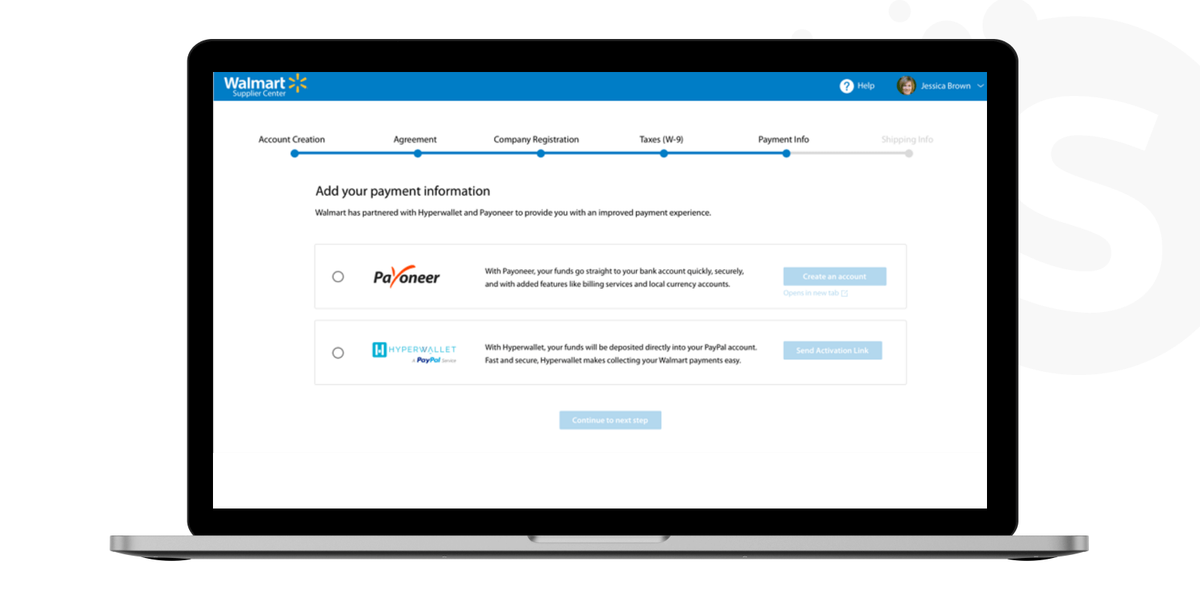
Walmart Marketplace wanted to empower small businesses that sell on their platform. They aimed to match the quality they offer to customers and improve payout variants and platform innovations.
Solution
In 2019, they integrated PayPal's Hyperwallet for payouts. It offered various payout options and enhanced trust in the PayPal brand.
Outcome
Over half of the new sellers have preferred Hyperwallet. This payment gateway integration in e-commerce allowed things to run smoothly and made customers and sellers understand each other better. It also supported Walmart's goal of promoting a premium seller community.
Lyft & Stripe
Lyft drivers demanded more frequent payouts compared to the traditional weekly distribution. The challenge was to offer payments at the drivers' convenience without any hitches.
Solution
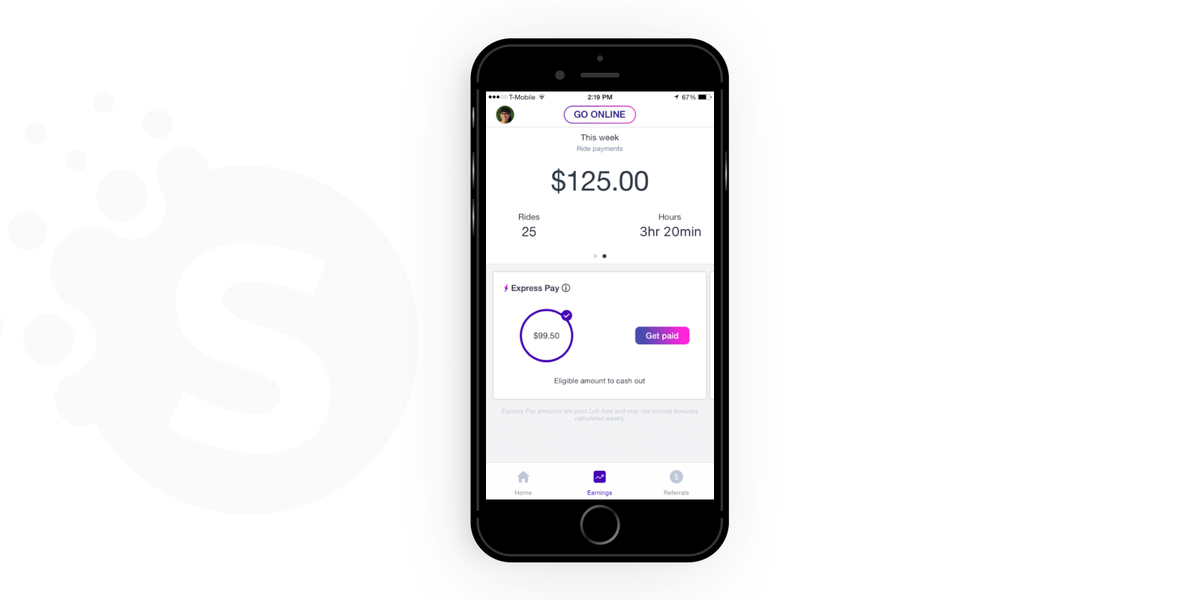
Lyft collaborated with Stripe to develop Express Pay. It allows drivers to decide their payout timings, sometimes within hours after they complete a ride.
Outcome
Over 40% of drivers have chosen Express Pay as a payout method within six months of integration. This move then attracted even more drivers to the Lyft platform.
Due South & Square
Due South's main goal was to integrate seamless online payments within its online expansion. Many available solutions were either only for online stores or needed to be simplified for swift adoption.
Solution
In 2020, Due South launched an online store using Square's online gateway. They used their existing inventory information. The platform also ensured that an onlineproduct reflects actual stock levels, preventing overselling.
Outcome
Square's system ensures uninterrupted business operations at all times. It also helped Due South to sell more online, showing how important a well-integrated payment system is.
Softermii's Experience in Payment Gateway Integration
At Softermii, we have helped numerous companies integrate online payment services into their solutions. Here are some projects where we have helped our clients enable online payments.
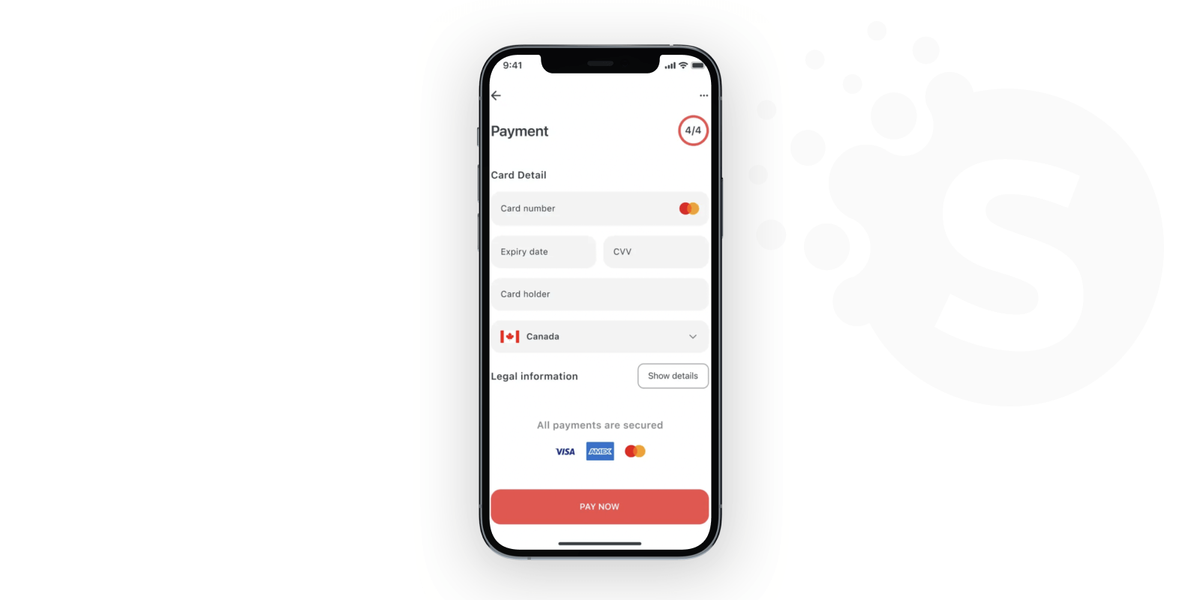
For Esthetic lingerie retailer, we implemented a multi-step checkout driven by sophisticated fraud rules. It ensured sensitive transactions were not blocked unnecessarily. Streamlining payment acceptance boosted Estethic's sales.

Streamotion presented an intriguing challenge: What if you sell things during live broadcasts? We coupled e-commerce with real-time streaming, letting shoppers add items to their cart with a click and check out via Stripe.
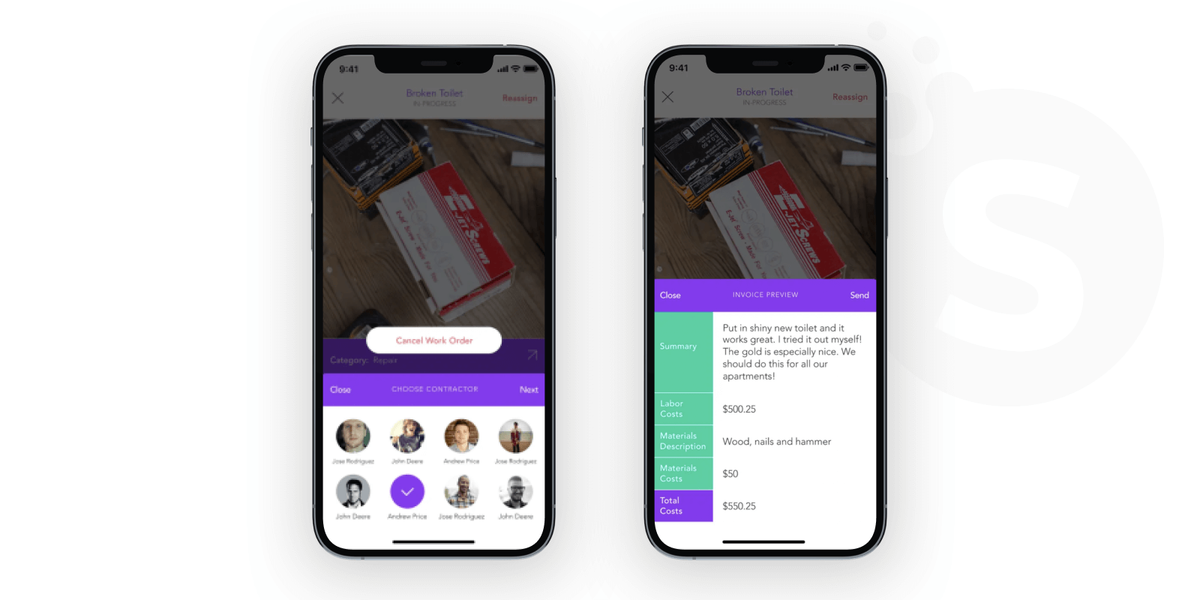
The Proper app for tenants and landlords needed an intuitive payment flow within messaging conversations. Our solution allowed contractors to include payment links after they solved the issue. Landlords received invoices as easy-to-settle notifications, improving maintenance service quality.
Telehealth is a sensitive area, so security was paramount for HIPAA Telmed. We built an integrated payment portal using the most robust encryption. Doctors could start video calls and be sure that user payments will be validated, optimizing care delivery.
Each implementation taught us how to balance user experience, business needs, and compliance. Payment integration remains a core service where our expertise simplifies commerce for innovative companies across sectors.
Final Thoughts
The payment gateway choice should align with your business's current needs and growth ambitions. Whichever gateway type you choose, always focus on security, reliability, and user-friendliness. Finding the right balance between operational requirements, costs, and user experience is vital for maximizing benefits.
Don't let payment processing hold back your onlinebusiness. Contact the Softermii team today to integrate secure payments on your website or app. Our team of developers is ready to launch a fully functional payment solution for your business.
Accepting various payment methods seamlessly has become essential for e-commerce businesses to succeed
Frequently Asked Questions
What are the challenges in payment gateway integration?
Some common challenges in payment gateway integration include:
How can I integrate a payment gateway?
There are four main methods to integrate a payment gateway:
How can I ensure the security of my payment gateway integration?
Can I integrate multiple gateways?
With an aggregator, some merchants can integrate several gateways to give buyers more payment options. It requires extra setup but allows the flexibility to route to different processors.
How do I migrate to a new gateway?
Migrating involves:
As a rule, gateways assist in a smooth transition with migration tools.
How about to rate this article?
27 ratings • Avg 4.5 / 5 · Thanks for rating!
Written by:

CEO & Co-Founder
Slava Vaniukov is the CEO and Co-Founder of Softermii, with more than 10 years on the front lines of software development. He has spent that decade helping founders and enterprises turn ambitious ideas into products that ship — and that perform. Apps built by his teams have been featured on multiple “Top 10 Best App…