
Data Analytics in Fintech: Unlocking Future Profits

Want to know more? — Subscribe
Data analytics in fintech involves the strategic use of data to drive decision-making. It offers insights and foresight in an increasingly digital financial…
Data analytics in fintech involves the strategic use of data to drive decision-making. It offers insights and foresight in an increasingly digital financial landscape. In essence, it's about transforming raw data into actionable intelligence.
With almost a decade of expertise in the finance sector, Softermii knows the importance of data cannot be overstated. The ability to quickly and accurately analyze vast amounts of data sets successful fintech companies apart.
In this article, we discover technologies behind fintech and data analytics, use cases, and future trends. Join us as we explore the transformative power of data analytics and its critical role for businesses.
Want a skimmable version?
Get a quick overview of our article with AI to access all the important information quickly.
Generate AI SummaryHide summary
Want a skimmable version?
Get a quick overview of our article with AI to access all the important information quickly.
Generate AI SummaryHide summaryHow data analytics drives fintech profits — why data is the new currency, the technologies powering it, and the leading use cases.
Why Data is the New Currency in Fintech
The rise of data analytics has led to the emergence of an information-driven financial services market. Сompanies use customer data to develop hyper-personalized offerings and enhance the customer experience:
- Lending startups use alternative data from social media and mobile phones to assess creditworthiness and offer loans to underserved segments.
- Payment companies analyze transaction data to provide customized rewards and perks.
- Digital banks track customer behaviors and spending patterns to offer tailored advice and services.
This data-driven approach allows for more informed decisions, identifies new opportunities, and mitigates risks.

Project Calculator
Get the detailed project estatimation – choose the details of your product and calculate the quote of the development
Calculate nowPersonalized Financial Services: Tailoring Offerings Based on Data Insights
One of the key applications of data analytics for fintech is enabling personalized financial services.
Traditional banking and financial institutions used to operate with a one-size-fits-all approach. But with data insights, companies can now offer customized solutions matching individual profiles:
- Robo-advisors provide tailored investment recommendations and portfolios by analyzing investors' risk appetites, goals, and other factors.
- Neobanks track user spending to offer savings tips and assign automated budgets based on specific habits.
- Chatbots use transaction history and past interactions to deliver personalized content and recommendations.
Hyper-personalization allows fintech companies to differentiate themselves from incumbent players. Customers can also find more value in financial offerings tailored to their needs.
Technologies Powering Data Analytics in Fintech
The progress of fintech data analytics improves the ability to process large volumes of data. It also adds sophistication to its interpretation and utilization. The gained insights allow for more efficient and future-oriented financial solutions.
Machine Learning and AI for Predictive Analytics
With fintech software development, machine learning and AI enable the shift from historical reporting to predictive analytics. These technologies allow analyzing large data sets to identify patterns and predict future trends. With historical financial data, ML algorithms forecast market movements or identify potential fraud. AI boosts these capabilities by learning from new data, enhancing the accuracy and relevance of its predictions.
For example, in investment management, AI and ML are used to create trading algorithms that can adjust to real-time changes in the market. Thus, fintech firms can offer services that anticipate their customers' future needs and behaviors.
$141.5 billion
The anticipated market value of big data analytics in the Fintech sector is projected to hit $141.5 billion by the year 2026
Big Data Platforms for Comprehensive Data Processing
With the explosion of data in the financial sector, robust platforms are needed to store, process, and analyze this data. Big data platforms help fintech firms manage large datasets, enabling them to gain thorough insights.
This example of business intelligence helps integrate data from transaction records, social media, and market feeds. They allow for real-time analytics, which is vital for time-sensitive decisions. So companies can get a comprehensive understanding of the financial landscape.
The insights from big data platforms help in forming financial strategies and operations. Their scalability also ensures businesses can expand their data capabilities as they grow.
Cloud Computing: Offering Scalability and Flexibility
Cloud computing offers unmatched scalability and flexibility for fintech and big data analytics. Companies can manage vast amounts of data without extensive physical infrastructure. These platforms enable cost reduction and improve efficiency. The cloud also provides powerful computational capabilities, essential for complex ML models and real-time analytics.
Moreover, cloud computing supports the dynamic needs of fintech firms. It allows for rapid scaling up or down based on the demand, ensuring efficient resource usage. The cloud also enhances collaboration and data sharing, as companies can access and analyze data anywhere.
Data Analytics Use Cases in Fintech
Data analytics for fintech has led to notable advancements, from enhancing security measures to optimizing customer experiences. Let's explore some key use cases that illustrate its transformative impact.
Risk Assessment and Fraud Detection
Companies can spot anomalies that signal potential fraud by analyzing transaction patterns and customer behavior data. ML models can detect these irregularities, proactively allowing firms to counter potential fraud. This approach helps in mitigating risks and safeguarding financial institutions with their customers.
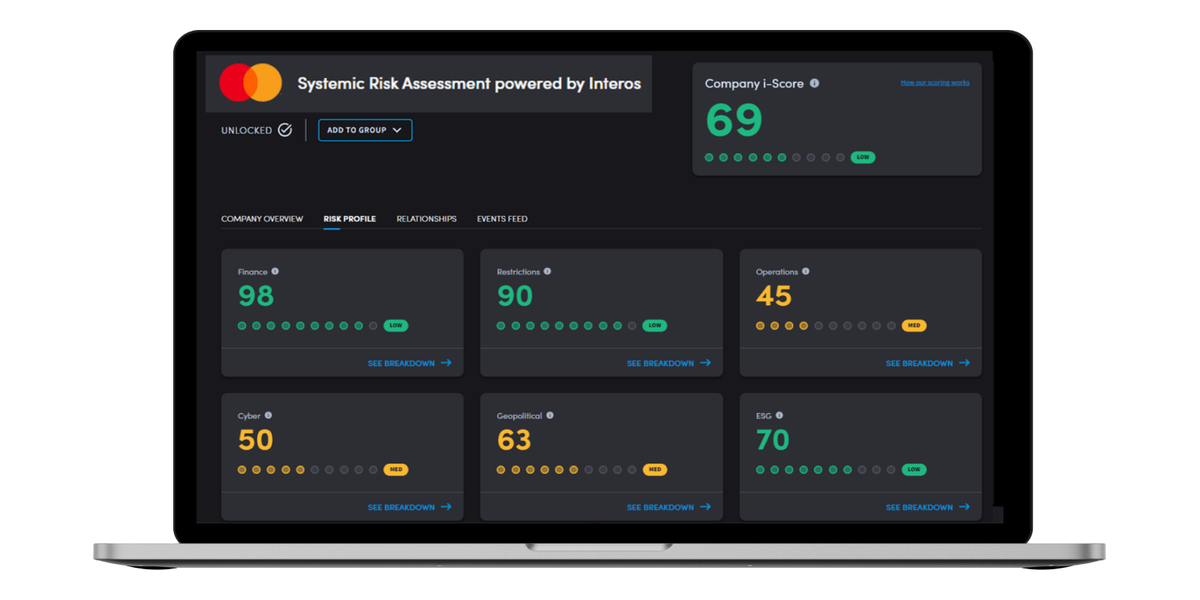
Mastercard uses AI-driven systems to scrutinize transaction data across its global network. Its systems analyze spending patterns, location data, and merchant information to identify potentially fraudulent transactions. This technology enhances the security of cardholders and reduces financial losses due to fraud.
Traditional credit scoring with data analytics allows for a more thorough credit risk assessment. Today, companies incorporate non-traditional data such as social media activity or online behavior. This method also extends credit opportunities to previously underserved market segments.
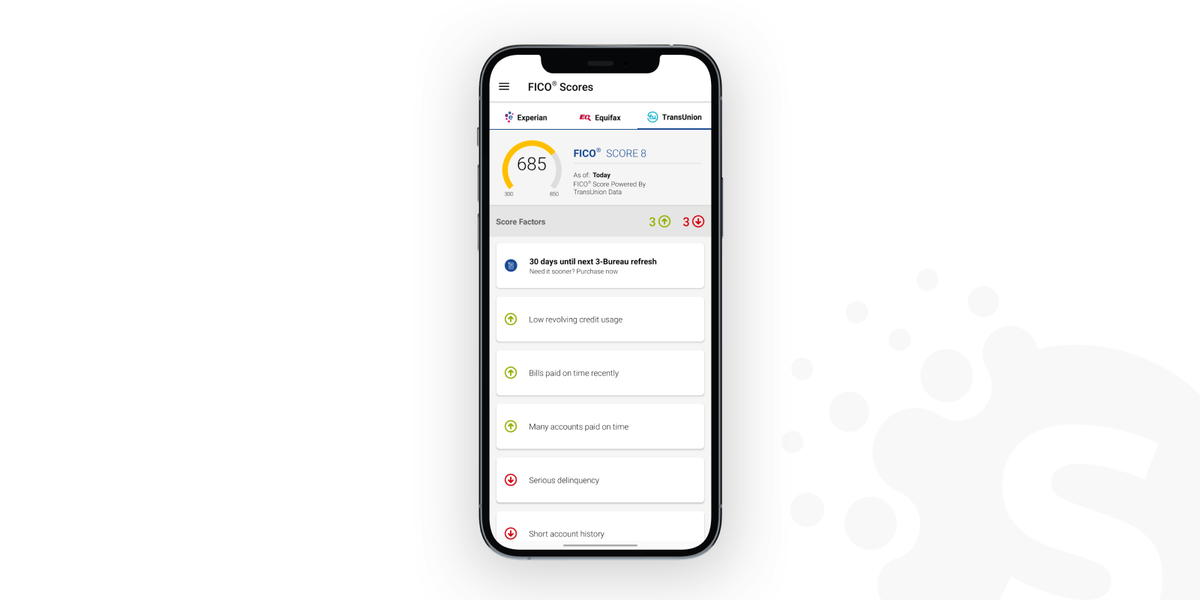
Advanced data models help Experian elevate credit scoring precision. The company uses internal, alternative, and credit bureau data with credit attributes to assess someone's creditworthiness. Experian's data analytics approach helps in effective credit risk segmentation. It results in reduced exposure to risky customers and a decrease in non-performing loans for lenders.
Customer Experience Enhancement
Via data analytics, fintech businesses can deliver personalized product recommendations to customers. This process enables a deep understanding of individual financial behaviors and preferences. Suggested products can perfectly suit each customer's needs, enhancing their satisfaction and loyalty.
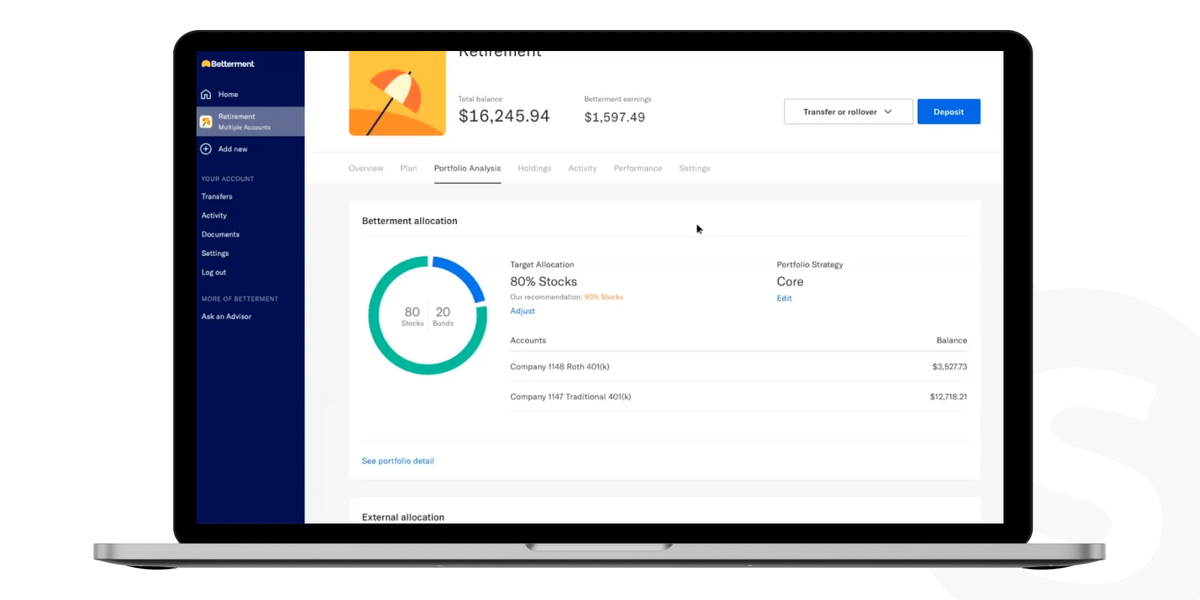
Betterment uses data to tailor its financial planning services, focusing on individual retirement goals and financial situations. It analyzes users' financial status, investment preferences, and long-term objectives. Thus, retirement planning becomes more effective for Betterment's diverse user base.
AI and data analytics power advanced chatbots and support tools. These programs provide users with quick and efficient assistance, improving the customer experience.

Capital One's Eno helps customers manage their accounts, track spending, and receive fraud alerts. The app can also generate secure virtual card numbers for online purchases. Eno's conversational interface allows for easy interaction, boosting engagement and satisfaction.
Algorithmic Trading and Investment Strategies
In the investment world, algorithmic trading has gained prominence, driven by data analytics. Market data, historical trends, and statistical models help to maximize returns and minimize risks.
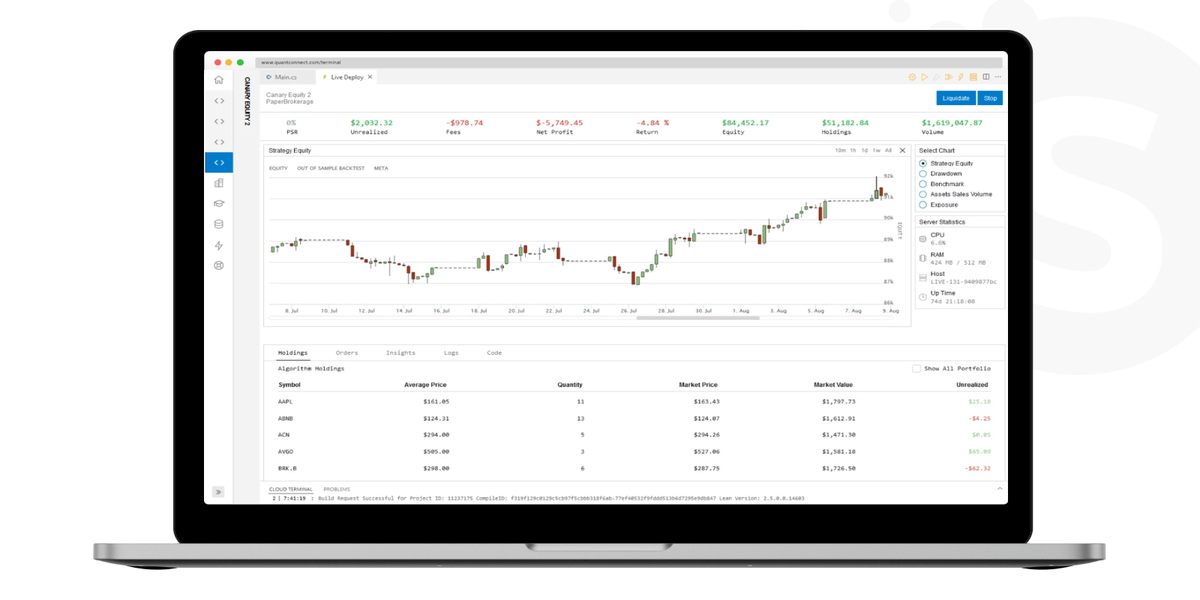
QuantConnect platform allows users to design, test, and implement algorithmic trading strategies. Access to advanced trading tools enables users to develop strategies based on extensive data analysis. For example, it can encompass equity price movements and global economic indicators.
Real-time analysis of market data allows for more dynamic investment strategies. Fintech platforms can process market information instantaneously, so traders and investors can capitalize on market opportunities as they arise.
Bloomberg Terminal provides fast access to news, data, unique insights, and trading tools. Coupled with its powerful data and analytics, the platform has become an indispensable tool for financial professionals. They rely on its real-time market data analysis capabilities for strategic decision-making.
Optimizing Payment Processes
Predictive analytics are used to streamline transaction processes. It forecasts and prevents potential issues, leading to a smoother payment experience.
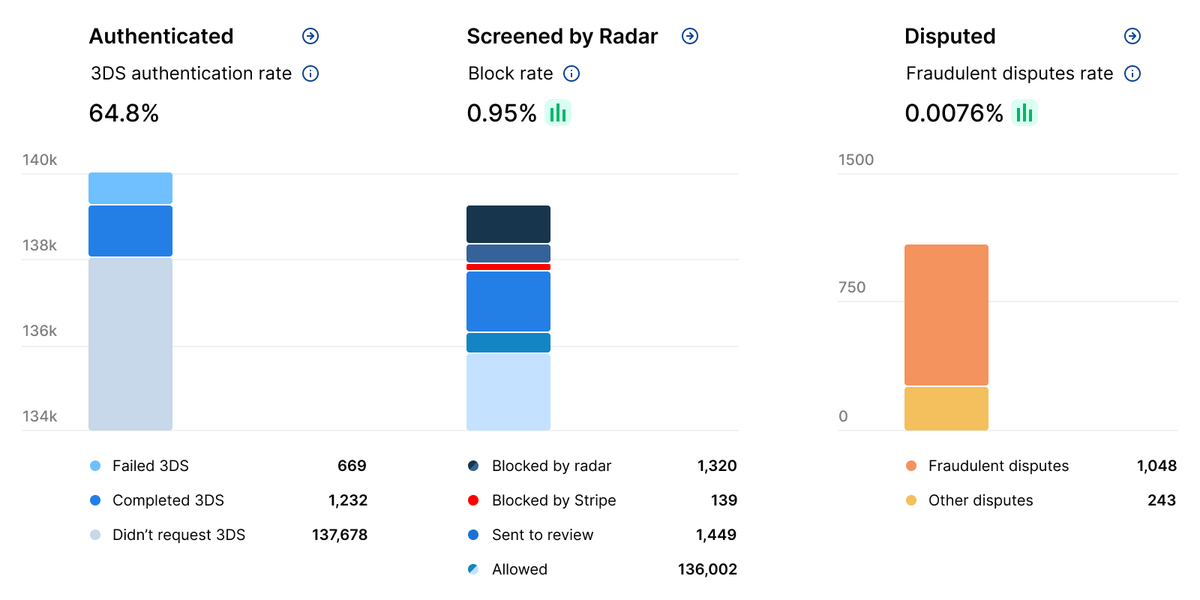
With machine learning algorithms, Stripe Radar streamlines payment processing. The program has achieved that by detecting and preventing real-time fraudulent transactions. Stripe Radar ensures a frictionless payment experience for legitimate users, improving customer satisfaction.
Real-time data analysis is key to enhancing the efficiency of payment gateways. By constantly analyzing transaction data, fintech companies can:
- optimize payment processing;
- reduce errors;
- ensure secure and efficient transactions.
Amazon Pay monitors and optimizes transaction processing, ensuring fast and secure payment experiences. This focus on speed and security is essential for maintaining consumer trust in e-commerce.
Future Trends and Innovations
The future of fintech is intrinsically linked to the advancements in data analytics. By applying data management best practices and investing in innovation, companies can enhance their current operations and position themselves for future success.
Evolving Trends in Financial Data Analytics
Several emerging trends and innovations shape the future of financial data analytics. Two notable developments stand out due to their potential to transform the landscape of financial services:
The Rise of Quantum Computing in Finance
Quantum computing can revolutionize the way financial data is processed and analyzed. Unlike traditional computing, quantum computing can handle complex problems at unprecedented speeds. In finance, this means the ability to process data for risk analysis, portfolio optimization, and predictive modeling. Quantum computing processes scenarios and data points that are now beyond the reach of traditional computing.
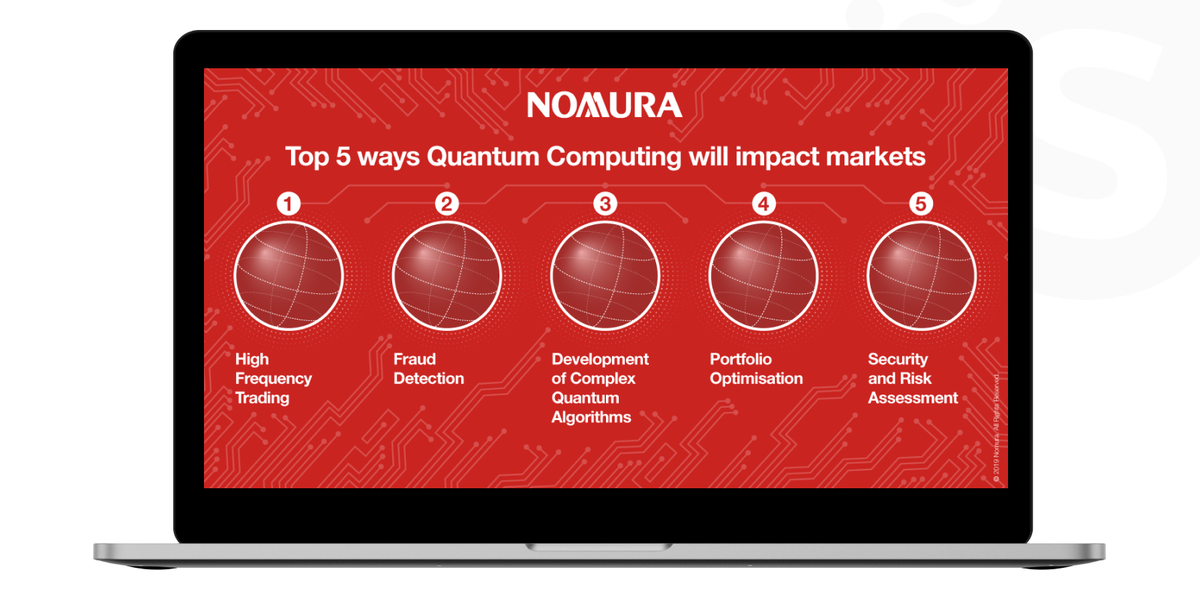
Its adoption in financial analytics will likely lead to:
- more accurate risk assessments;
- enhanced algorithmic trading strategies;
- improved financial decision-making processes.
Integrating Blockchain for Transparent Data Logging
Blockchain technology can enhance transparency and security in financial data logging. Its application involves creating immutable and transparent records of data transactions. This factor is essential in maintaining accurate and tamper-proof financial records. This integration ensures a more secure and efficient financial data management system.
How Fintech Companies Can Stay Ahead
In a rapidly changing industry, fintech companies must continually adapt and innovate. Here are some strategies that can help these companies maintain their competitive edge:
60%
Over 60% of companies in the financial services sector have made investments in big data analytics
Embracing Continuous Learning and Adaptation
The fintech landscape is constantly evolving with new technologies and regulatory changes. For businesses to stay relevant, they must foster a culture of continuous learning and adaptation. They should stay abreast of technological advancements, regulatory shifts, and changing market dynamics. It's crucial to quickly adapt to these changes and incorporate new learnings into the strategies and operations.
Investing in Innovative Data-Driven Solutions
To lead in the fintech space, companies must invest in innovative data-driven solutions, exploring:
- new data analytics tools;
- data science, artificial intelligence, and machine learning technologies;
- emerging fields like quantum computing and blockchain.
Investing in these areas enhances the company's capability to process and analyze data. It leads to better customer insights, improved financial products, and more efficient operations.
Wrapping Up
As we have explored throughout this article, data analytics is not just a component of the fintech industry. The evolution of technology presents an exciting frontier for fintech companies. These advancements offer exceptional opportunities to harness data for deeper insights. With data analytics in fintech, companies offer innovative products and superior customer service.
To make the most of this, embrace the technologies and adjust to the always-changing digital world. Are you ready to invest in informed decisions and take a leading role in the financial revolution? Contact Softermii to discover how our expertise can drive your business forward.
Unlock the full potential of your fintech product by integrating the power of big data analytics
Frequently Asked Questions
What is the role of data analytics in fintech?
Data analytics in fintech involves analyzing vast amounts of data to gain insights for decision-making. It plays a crucial role in various areas, including:
What role does customer data play in fintech analytics?
Customer data is pivotal in fintech analytics. It provides insights into client behavior, preferences, and financial needs. This information is used to:
What impact has cloud computing had on fintech and data analytics?
Cloud computing provides scalable and flexible data storage and computing resources. Companies can access advanced analytics capabilities without a large investment in physical infrastructure. They can also process vast datasets more efficiently and at a lower cost.
How does data analytics improve financial decision-making?
Data analytics does it by providing actionable insights based on large datasets. It allows companies to:
This approach leads to more precise and effective decisions compared to traditional methods.
What are some key challenges in implementing fintech data analytics?
The key challenges include the following:
Additionally, there's a constant need for skilled professionals who can analyze and interpret data.
How about to rate this article?
0 ratings • Avg 0 / 5 · Thanks for rating!
Written by:

CEO & Co-Founder
Slava Vaniukov is the CEO and Co-Founder of Softermii, with more than 10 years on the front lines of software development. He has spent that decade helping founders and enterprises turn ambitious ideas into products that ship — and that perform. Apps built by his teams have been featured on multiple “Top 10 Best App…