Web Application Development in 2023: A Comprehensive Guide

Want to know more? — Subscribe
As we rely more on the web for communication, shopping, and information, the importance of web application development cannot be overstated.
As we rely more on the web for communication, shopping, and information, the importance of web application development cannot be overstated. These apps power our interconnected world. The landscape of web development has always been evolving and changing user expectations. New technologies and frameworks improve the development process and user experience.
At Softermii, we understand the importance of using new technologies and trends. Over the past nine years, the company has delivered multiple web projects across various industries. Some remarkable examples include Events10X, a cloud-based event management platform; Locum, a staffing platform for pharmacists; and Rently, a property management SaaS.
This web application development guide explores the key stages, technologies, and cost factors involved in the process. Additionally, we will discuss the latest trends you need to follow to develop a web application.
Want a skimmable version?
Get a quick overview of our article with AI to access all the important information quickly.
Generate AI SummaryHide summary
Want a skimmable version?
Get a quick overview of our article with AI to access all the important information quickly.
Generate AI SummaryHide summaryA comprehensive guide to web application development — types, process stages, tech stack and cost factors.
Web Application Types
A web application's design, functionality, and use cases vary greatly. Knowing the differences between web applications helps businesses and developers pick the right approach for their internet presence. Each type is made for certain user needs and business goals, so choosing the right one allows for achieving the desired impact.
Static Web Applications
Static web applications display little or no content change after deployment. They are best suited for content that doesn't need regular updates, like company portfolios or landing pages.
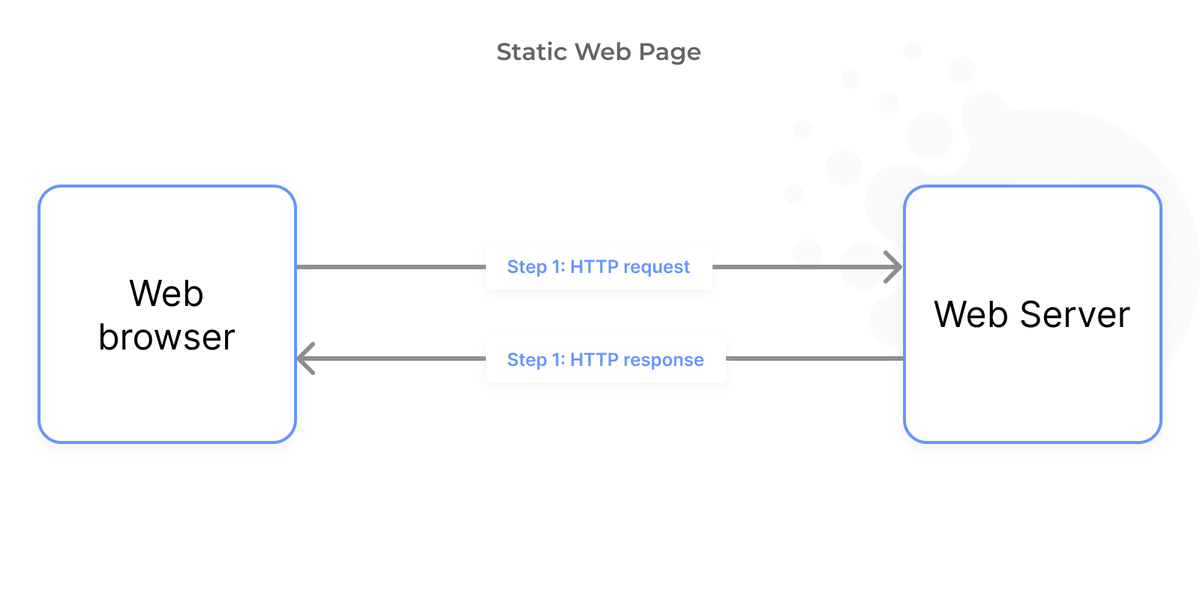
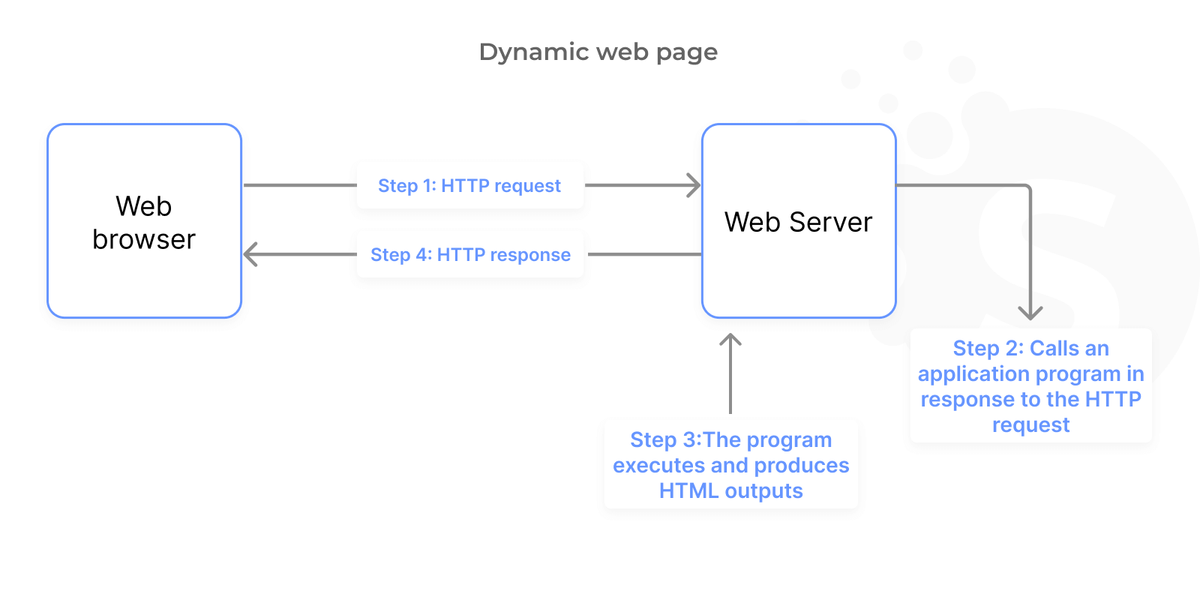
Dynamic Web Applications
These apps display different content each time they're accessed, often pulling from a database. They are useful for blogs, onlinestores, or platforms with frequent content changes.
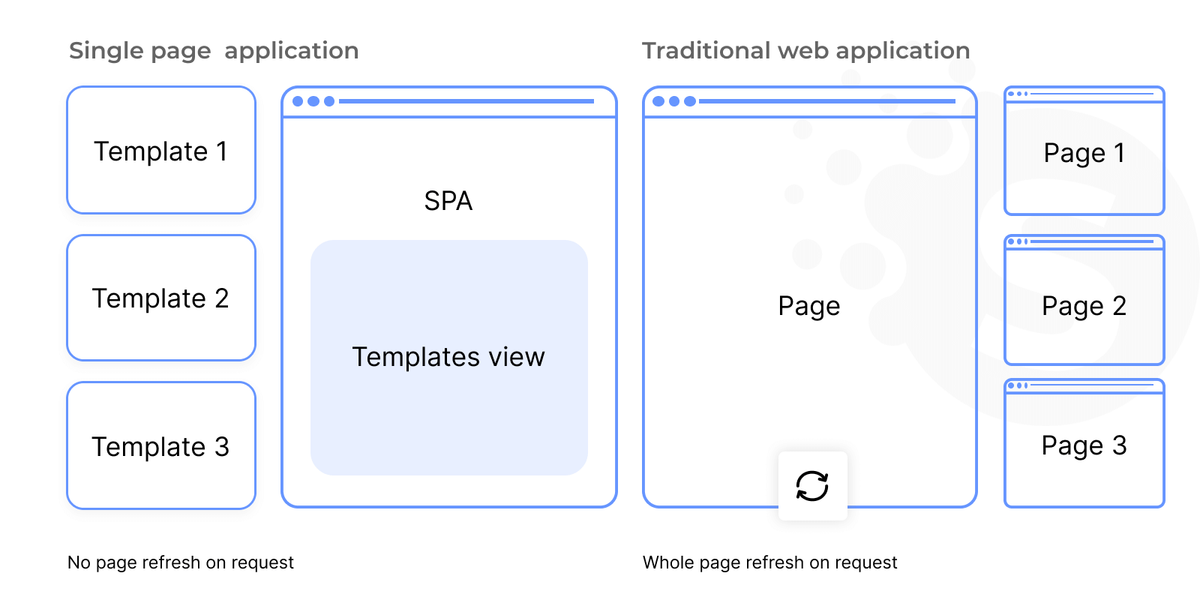
Single Page Applications (SPA)
They load a single HTML page and update it as users interact. They are great for platforms where users need real-time updates, like social media platforms or chat apps. Single-page app development has risen with the demand for rich web experiences.
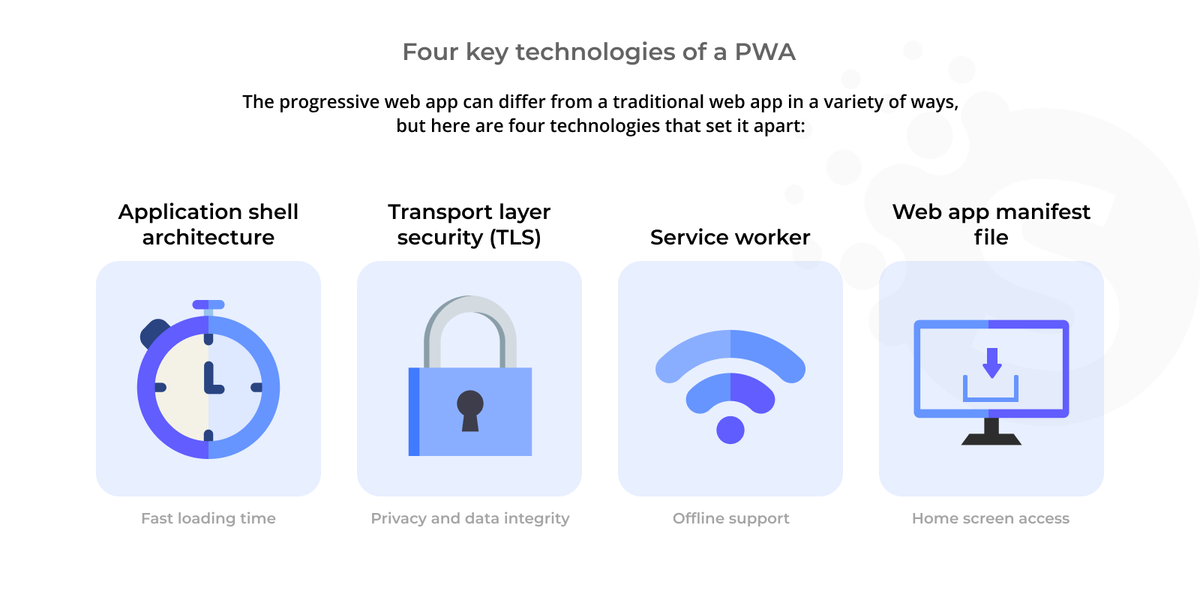
Progressive Web Apps (PWA)
PWAs offer a mobile-app-like experience on the web. They can be added to a user's home screen and accessed offline. Users enjoy a seamless and engaging experience without installing an app from the app store.
Portal Web Applications
They offer a single access point to different content sections. It includes forums, emails, and online platforms. This type is perfect when users need a dashboard view, like enterprise or education systems.
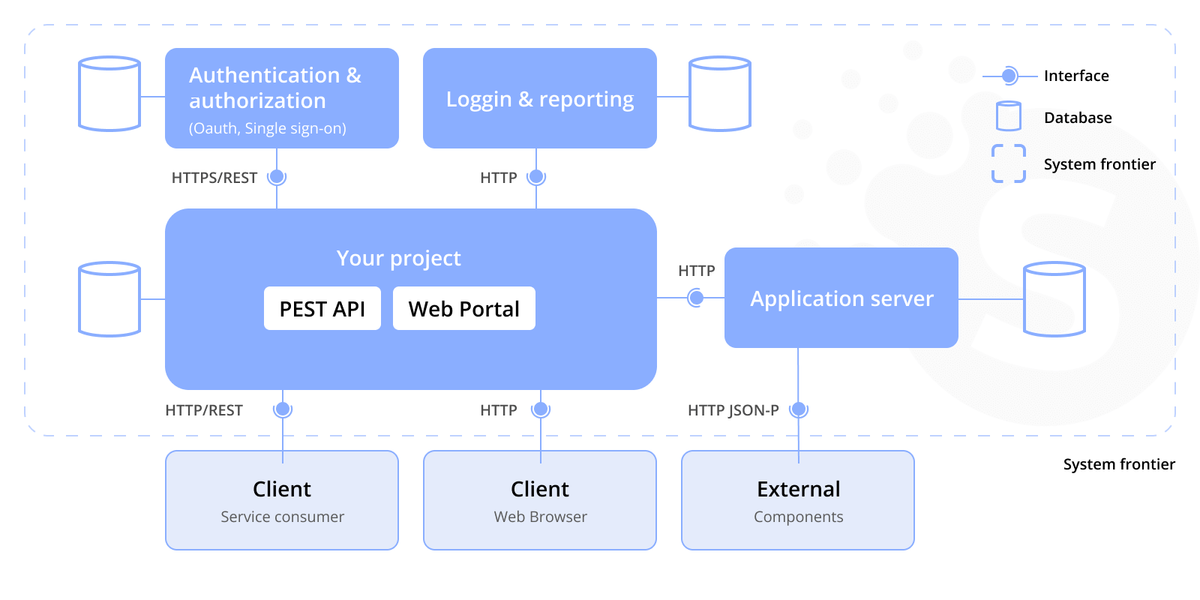
E-commerce Applications
They are the platforms for buying and selling goods and services. They cater to the growing online shopping trend, providing businesses a platform to reach global markets.
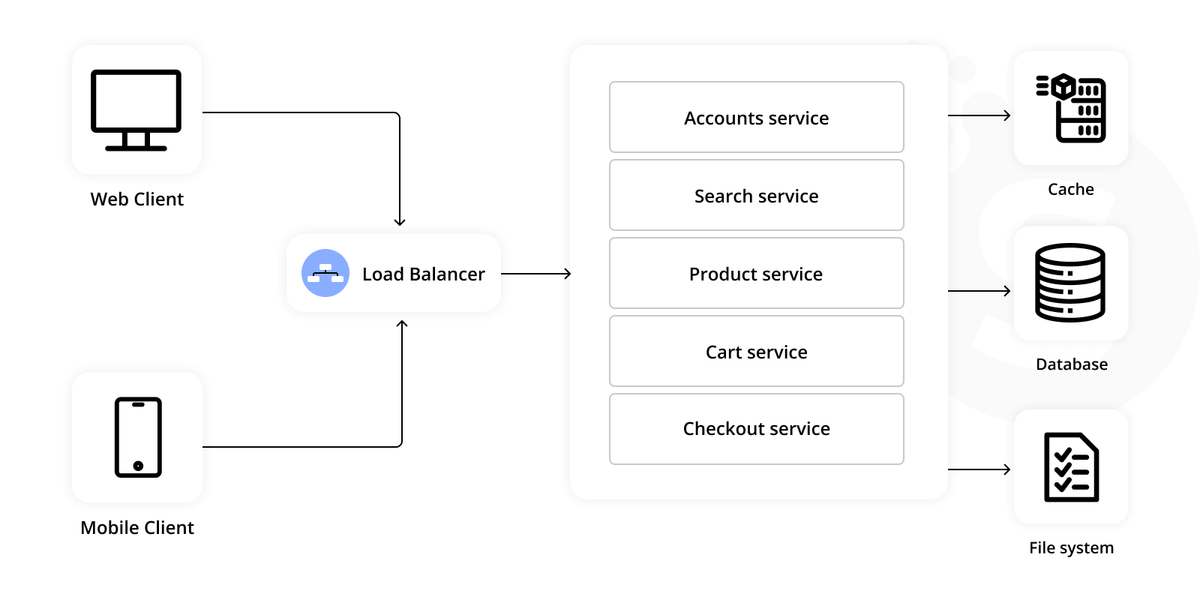
Content Management Systems (CMS)
Users can create and manage digital content with these platforms without deep technical knowledge. If you maintain a blog, news site, or any other content-rich platform without frequent developer intervention, CMSs are the best fit for you.
Step-by-step Web Application DevelopmentProcess
Web application development requires meticulous attention to detail at every step. Let's explore the main stages involved in this process.
Discovery and UX/UI Design
A discovery phase begins with stakeholders, project managers, and developers collaborating. They define the app's purpose, target audience, and problem-solving approach.
A UX/UI design involves making wireframes and prototypes and ensures the visual elements are intuitive. This way, you understand the app's visual design and user navigation.
Infrastructure Setup and Development
This phase involves choosing hosting, databases, and server setups to make a strong and scalable foundation. After infrastructure setup, developers start to make a code for the application. They use the design mockups and functional requirements. This stage ensures the web application is functional, efficient, responsive, and secure.
Testing and Launch
The testing phase allows for identifying bugs, security flaws, and performance issues. Unit and integration testing ensure a smooth user experience. After that, the app is deployed to a live server, making it accessible to users.
Testing Documentation
It involves the details of development, performed tests, their results, and any relevant notes. It ensures that updates and fixes maintain the application's integrity and standards.

Project Calculator
Get the detailed project estatimation – choose the details of your product and calculate the quote of the development
Calculate nowWeb Application Development Tech Stack
The choice of the tech stack for web application impacts its performance, features, and maintenance. The main tools for programming a modern app are:
Front-end (Client-side)
- Languages: HTML, CSS, and JavaScript.
- Frameworks and Libraries: React, Angular, and Vue.js.
Back-end (Server-side)
- Languages: Python, Ruby, Java, PHP, and Node.js.
- Frameworks: Django, Rails, Spring Boot, and Express.js.
- Databases: MySQL, PostgreSQL, Oracle, MongoDB, CouchDB, and Cassandra.
- Server: Apache, Nginx, or Microsoft's IIS.
Middleware
It includes caching systems, content delivery networks (CDNs), and security tools.
Development Environment and Tools
- Version Control: Git, GitHub, Bitbucket.
- Package Managers: Yarn and npm for JavaScript.
- Build Tools: Webpack, Gulp, and Grunt.
Deployment and Hosting
AWS, Google Cloud Platform, Microsoft Azure, Heroku and DigitalOcean.
As usual, a dedicated team of experts handles all aspects of the tech stack for your project. You can focus on your business goals with this approach.
Web App Development Cost: Key Influencing Factors
Making a web app can be complicated, and its cost depends on several factors. Let's first recall the development stages and sum them up in the following table with estimated costs and timeframes. Don't hesitate to contact us for more precise information and discuss all the project details.
| Development Stages | Hours | Cost | |
|---|---|---|---|
| 1 | Discovery and UI/UX Design | 280 hours | $11 200 |
| 2 | Infrastructure Setup and Development | 640 hours | $25 600 |
| 3 | Testing and Launch | 240 hours | $9 600 |
| 4 | Technical Documentation | 40 hours | $1 600 |
| Total: | 1200 hours (6-7 months) | $48 000 |
Note, that the table consists of just an approximate cost breakdown. If you want to know precise prices for your web application development, including needed level of complexity and features, do contact our team for a free consultation. An app's cost greatly varies based on its complexity and features. Let's look at the main factors affecting the final cost when you build a web application.
Scope and Complexity
The cost of a project depends on its size and the number of features included. Any special elements will increase the final cost. It can be connected with other apps, instant processing, or animations.
Design and User Experience
Creating a custom design and branding usually costs more than pre-made templates. The expenses will increase if the process involves wireframing, prototyping, and user testing.
Integration with Other Systems
Integration with any external systems can add layers of complexity and cost. Consider including payment gateways, third-party dataservices, or existing enterprise software.
$7,6 billion by 2026
Web Application Market size & share revenue is expected to reach $7,6 billion by 2026 , at 34% annual CAGR growth during forecast period
Security Measures
Does your web app handle any sensitive data? It's non-negotiable to implement encryption, secure data storage, and regular security audits. This investment is essential but also can add to the development budget.
Post-Launch Costs
Maintenance, hosting, and potential scaling all have associated costs. Conducting regular security audits, backups, and updates is also important. Usually, businesses keep working with the development team to address these needs.
Web App Development Trends
As new technologies emerge and older ones advance, the web app creation process continues to transform. Here are some of the most popular trends in web development.
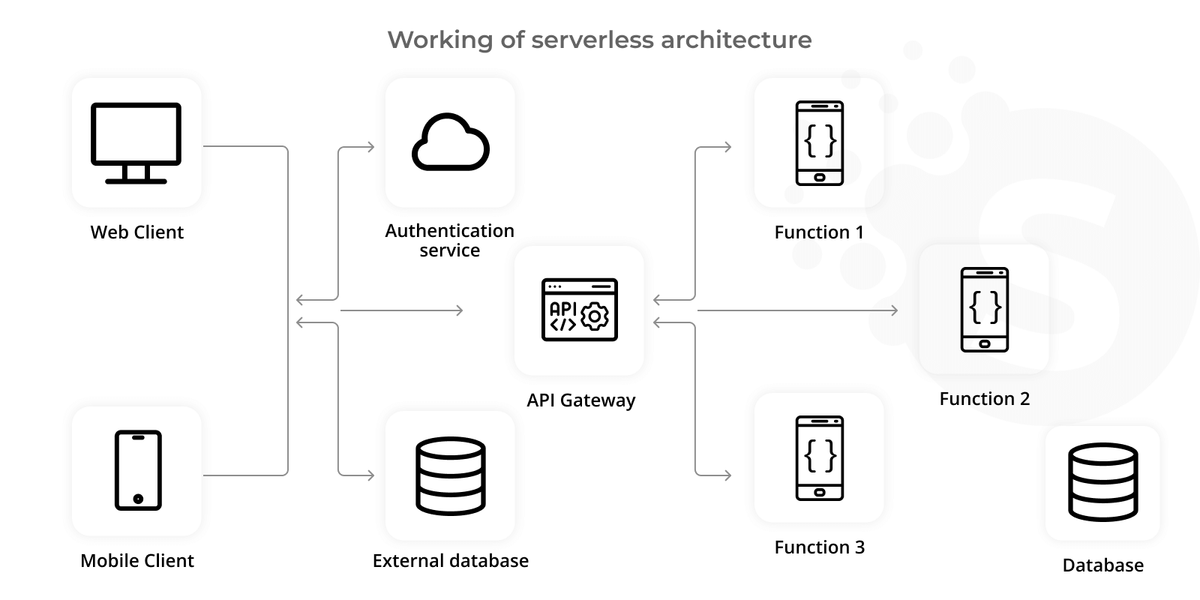
Serverless Architecture
This approach allows the cloud provider to handle the infrastructure and resource allocation. Developers can concentrate on individual tasks of efficiently building and scaling their apps.
Motion UI
Motion UI uses different animations and transitions to improve the experience of users. This trend allows for guiding the user's attention, making the application more appealing.
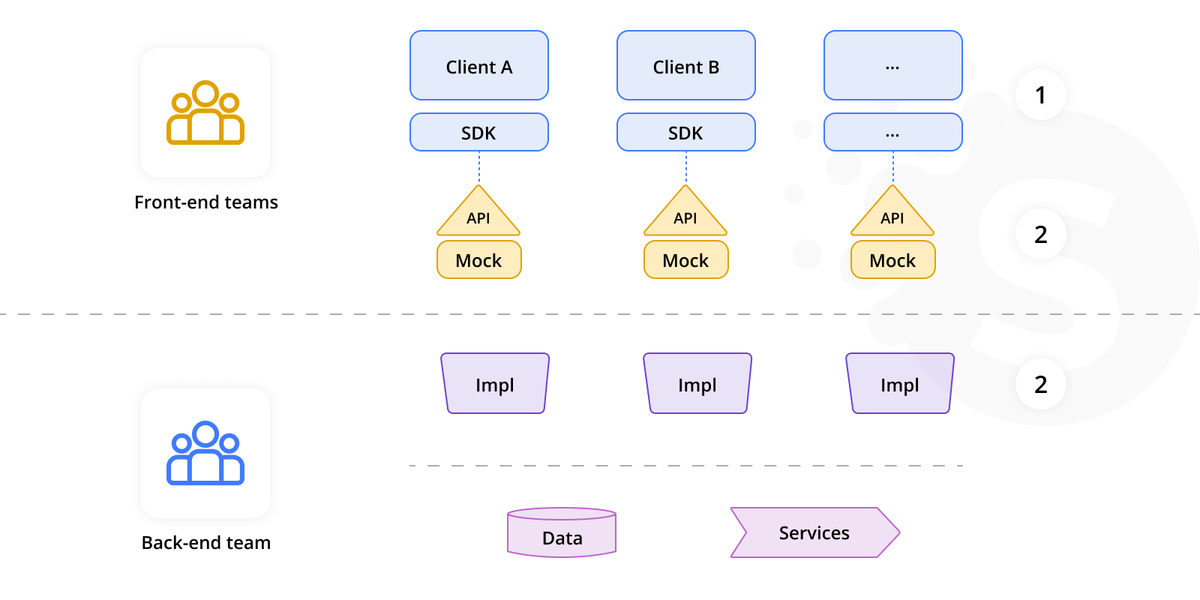
API-First Development
Starting with the API makes it easier to connect with other services later. It allows for the creation of reliable and efficient web applications.
Artificial Intelligence and Machine Learning
Through AI and ML, web applications are becoming smarter than ever. Chatbots and voice assistants engage users through responsive natural language conversations. Predictive analytics power more personalized experiences for individuals.
Improved Native Cybersecurity
Developers ensure app security through access controls and input validation features. They use threat modeling to find and protect any weaknesses. They also enhance authentication with multi-factor options. Integrating security into the design and development process safeguards users and their assets.
Accelerated Mobile Pages (AMP)
This open-source initiative aims to improve the mobile web experience. With the increasing use of smartphones, AMP seeks faster load times by optimizing pages and ads for small screens. AMP pages are designed to load swiftly using limited file sizes and streamlined code. AMP aims to improve smartphone user satisfaction and engagement by prioritizing fast loading.
Softermii as Your Web App Development Partner
With over nine years of experience, Softermii has been growing and developing impactful apps for our clients. One of your main priorities is to understand the individual needs of each business that comes to us. This approach allows us to create meaningful web applications that enhance your customer's lives.
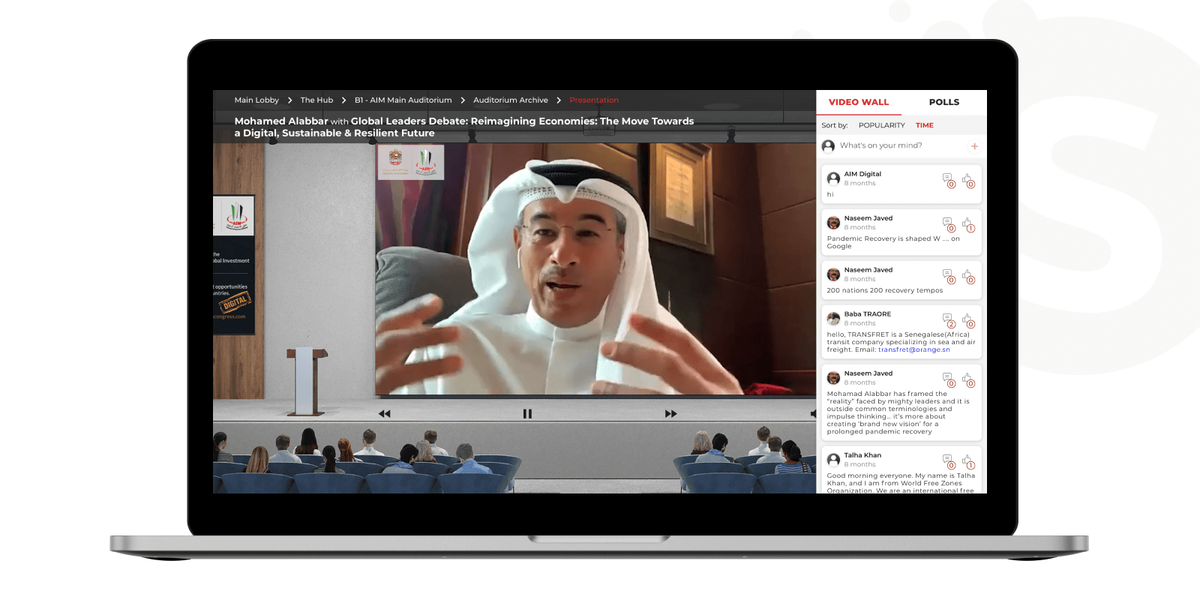
Events10X: Beyond Digital Event Management
Events10X is a virtual events platform for education, graduation, expos, and conferences. It recreates the offline event experience, ensuring connectivity and audience engagement. Its key features include broadcasts and virtual booths for exhibitors and sponsors. The platform also provides AI-powered translation for instant voice translation. Users can participate in private video chat rooms, and the platform offers white-label solutions for customization. Events10X has enhanced networking opportunities for event attendees and organizers.
Rently: Reinventing Real Estate Interactions
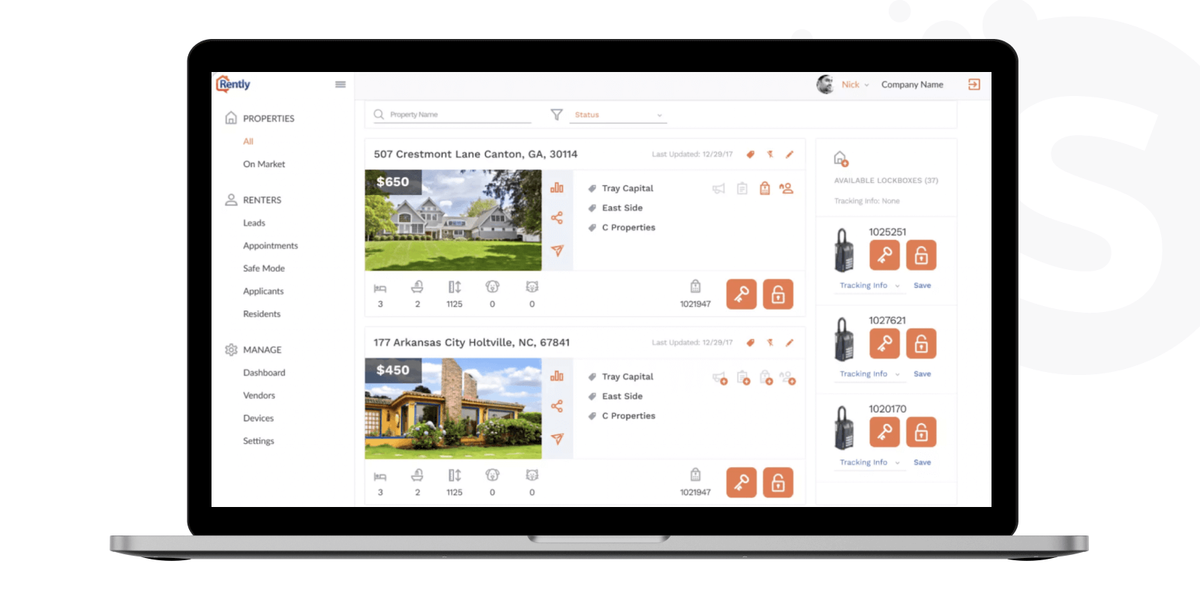
Rently is an IoT-powered application in the US property rental industry. It enables self-touring without the need for an on-site agent. The app offers keyless access through its Smart Lockbox, making property visits hassle-free. Rently's main goal is to enhance the usability and performance of self-touring applications. It also offers features like detailed property listings, landlord dashboards, and custom property maps. Rently simplifies the property rental process for both landlords and tenants.
Locum App: Bridging Medical Professionals and Institutions
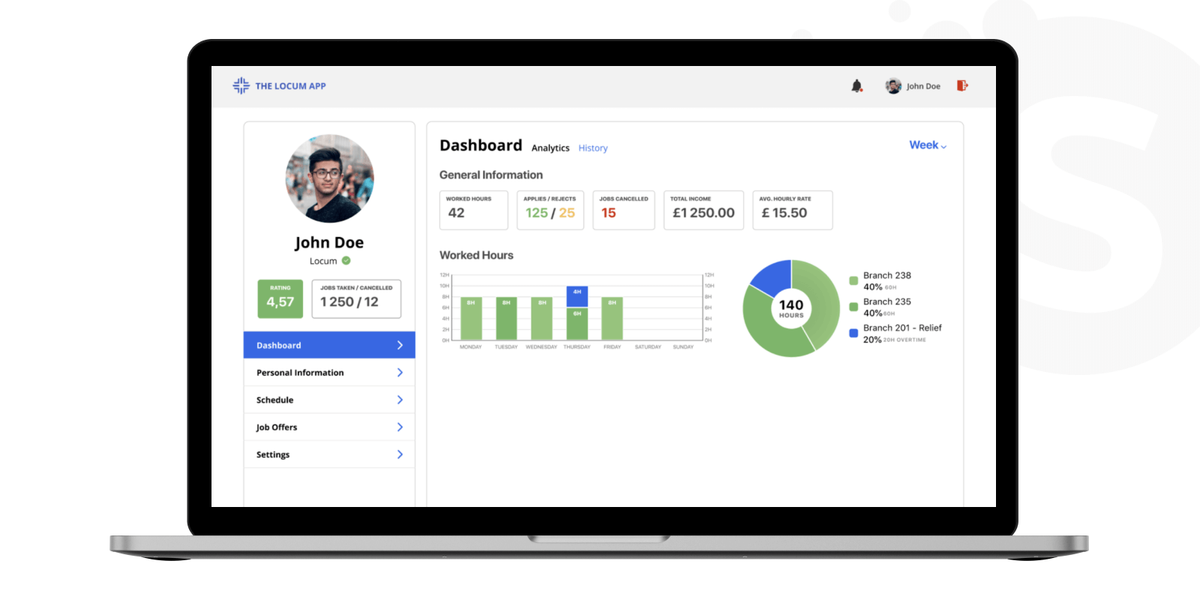
Locum App is a recruitment platform for the UK pharmaceutical market. It aims to simplify and streamline the recruitment process in the pharmaceutical industry. The application provides separate user flows for pharmacists and pharmacies and an admin panel for both. Locum App offers job postings, searches, and applications with integrated locum booking. The platform makes staffing in the industry easier and more efficient for pharmacists and pharmacies.
Conclusion
The process to create a web application is a mix of creativity and technical expertise. It offers diverse possibilities for businesses and developers. Understanding various types of web apps and the step-by-step development process is crucial.
Ready to embark on a web application development journey? The Softermii team will develop a customized solution to deliver exceptional results. Drop us a line and take the first step toward realizing your web application goals.
Create meaningful web applications that enhance your customer's lives
Frequently Asked Questions
How much time and money does it take to develop a web application?
Simple apps with limited functionality may take only a few months to complete and cost around $50,000. More complex solutions could require years of ongoing work. Estimates vary widely based on every app's needs, goals, and scope. They include the app's complexity, functionality, and technical requirements.
How to migrate the existing website to a web application, and how do they differ?
While both are accessed via browsers, websites are informational and static. Web applications are interactive platforms that allow users to perform specific tasks. They can submit forms, process transactions, or use different tools. Websites can be transformed into web applications by adding interactive features, back-end functionalities, and other necessary components. Consult your software development company to assess the feasibility and the best approach.
Is mobile responsiveness crucial for web applications?
A mobile-friendly design allows your app to function properly on smartphones and tablets. It broadens your audience and boosts your app's ranking on search engines like Google. So, focus on mobile responsiveness during development for a larger user base and improved engagement.
How often should I update or maintain my web application?
The frequency of updates depends on the app's complexity and user feedback. It's advisable to consider new technology or security issues. Regular check-ups (every month or quarter) allow you to fix bugs, improve functionalities, and boost security. Any crucial security issues must be fixed right away.
How about to rate this article?
26 ratings • Avg 4.5 / 5 · Thanks for rating!
Written by:

CEO & Co-Founder
Slava Vaniukov is the CEO and Co-Founder of Softermii, with more than 10 years on the front lines of software development. He has spent that decade helping founders and enterprises turn ambitious ideas into products that ship — and that perform. Apps built by his teams have been featured on multiple “Top 10 Best App…