EHR Integration Guide: Benefits, Challenges, and Best Practices

Want to know more? — Subscribe
Are you tired of low efficiency and numerous process errors in your healthcare organization? Do you constantly struggle with poor patient experience and a lack…
Are you tired of low efficiency and numerous process errors in your healthcare organization? Do you constantly struggle with poor patient experience and a lack of care coordination?
According to a recent case study on EHR integration and the SWOT analysis it contains, many healthcare professionals face these challenges daily, so you're here, searching for a solution.
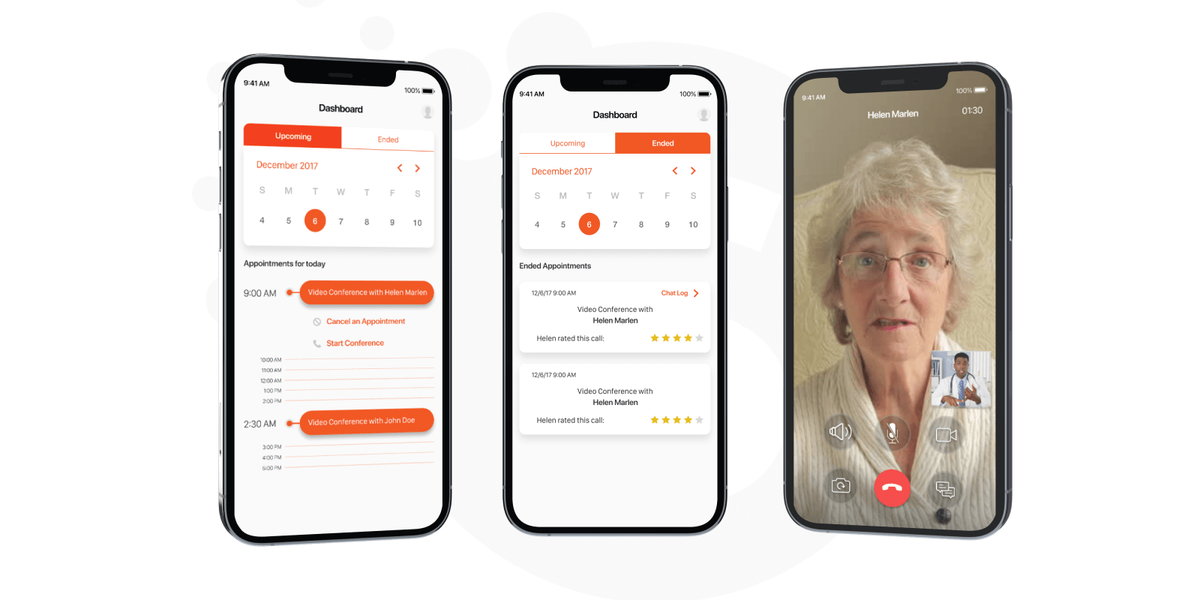
At Softermii, we understand the pain points you're experiencing. Our team of experts has dedicated years to researching and developing comprehensive platforms with EHR integration such as MedRealtime and HIPAA Telmed. In this article, Softermii will share all the experiences and solutions to your healthcare organization problems.
Want a skimmable version?
Get a quick overview of our article with AI to access all the important information quickly.
Generate AI SummaryHide summary
Want a skimmable version?
Get a quick overview of our article with AI to access all the important information quickly.
Generate AI SummaryHide summaryAn EHR integration guide — its importance, benefits, common challenges, and best practices for implementation.
Why Is EHR Integration So Important for Your Business?
EHR seamless integration within your practice management system unlocks numerous benefits impacting patient care efficiency, security, and quality. This is why integration with EHR systems in medical practice is crucial for your business:
- Protecting patient data is paramount in healthcare. EHR integration ensures that sensitive and confidential information, such as medical histories, diagnoses, and treatment plans, is stored securely within a centralized system.
- EHR integration enables healthcare providers to access comprehensive patient data in real time, enabling more informed decision-making.
- With EHR integration, your business can empower patients to manage their health actively.
- EHR integration optimizes administrative and clinical workflows by automating manual tasks and eliminating redundant data entry.
- Integration of EHR with practice management systems provides access to robust analytics and reporting capabilities.
- Implementing EHR in healthcare fosters interoperability between different healthcare systems, allowing a seamless exchange of patient information across providers, clinics, and hospitals.
The Benefits of EHR Integration
Let's explore the key advantages of integrating EHRs within your healthcare organization:
| Benefits | Description |
|---|---|
| Automation and Streamlined Work Processes | Integrated EHR systems automate and streamline work processes within a healthcare organization. |
| Coordinated Patient Care | Integrated EHR systems allow healthcare providers to seamlessly coordinate patient care. Shared access to patient information, including telemedicine, medical history, test results, and treatment plans, enables collaboration and communication across the care continuum. |
| Enhanced Patient Safety and Care Quality | EHR integration enhances patient safety and care quality by reducing medical errors and promoting evidence-based practices. Integrated systems provide real-time access to critical patient data, including telemedicine EHR software development, medication allergies, etc. |
| Improved Efficiency and Productivity | By integrating EHRs, healthcare organizations experience improved efficiency and productivity. |
| Enhanced Patient Engagement and Communication | Integrated EHR systems facilitate improved patient engagement and communication. |
| Robust Data Analytics and Reporting | Implementing EHR in healthcare offers robust data analytics and reporting capabilities. |
Common EHR Integration Challenges
Electronic Health Record (EHR) integration has become essential to healthcare systems. They hold many patient data, functions, and workflows, helping healthcare providers streamline their clinical processes.
In this article, we will look at some common challenges of EHR implementation healthcare providers face and how to overcome them.
| Problem Name | Description | Solution by Softermii |
|---|---|---|
| Compatibility problems with your current system | Integrating EHR may encounter compatibility issues with existing systems, such as practice management software or other healthcare applications. | Softermii experts have extensive experience in resolving compatibility challenges. Our team thoroughly analyses your current systems and develops tailored integration solutions that ensure seamless data flow and interoperability between all relevant applications. |
| Resistance to Staff Acceptance | Introducing new technology, including EHR systems, may face resistance from staff members accustomed to established workflows. | Our team understands the Importance of EHR integration, user acceptance, and change management during EHR integration. Our experts work closely with your team to provide comprehensive training programs, hands-on support, and clear communication throughout the EHR implementation process. |
| Costs | EHR integration can incur significant costs, including software licensing, hardware upgrades, data migration, and ongoing maintenance and support. | Softermii recognizes the financial considerations associated with the EHR integration best practices. Our team collaborates with you to develop a cost-effective integration strategy that aligns with your budget and requirements. |
| Problems with Data Privacy | Maintaining data privacy and complying with regulatory requirements like HIPAA is critical when integrating EHR. | Softermii places utmost importance on data privacy and security. Our team implements robust encryption protocols, access controls, and secure authentication mechanisms to safeguard sensitive patient information. |
Preparing to Integrate EHRs Into Existing Products
Integrated electronic health record (EHRs) into your practice requires careful planning and preparation to ensure a successful implementation.
To set the stage for a seamless integration process, consider the following steps:
- Identify Goals and Requirements for EHR Integration: Start by clearly defining your goals and objectives for integrating EHRs into your existing products Identify the specific benefits you aim to achieve, such as improved workflow efficiency, enhanced patient care, or streamlined data management Assess your organization's unique requirements
- Evaluate Existing Medical Products and Compatibility: Evaluate your current medical products and systems to determine their compatibility with the EHR solution you will integrate Assess whether your existing systems have the technical capabilities and interfaces to support EHR integration Identify gaps or areas requiring updates or modifications to ensure seamless data exchange and compatibility between the EHR and your existing products
- Prepare Data and Systems for Successful Integration: Ensure your data and systems are well-prepared before initiating the integration process Evaluate data migration requirements and develop a plan Conduct a comprehensive system analysis to identify any necessary updates or upgrades to hardware, EHR software, or infrastructure
- Establish Clear Communication Channels: Effective communication is crucial throughout the integration process Establish clear communication channels among stakeholders Ensure everyone understands the goals, timelines, and requirements for EHR integration
- Develop a Detailed Implementation Plan: Create a detailed implementation plan that outlines the key milestones, tasks, and timelines for EHR integration Break the process down into manageable phases to ensure a step-by-step approach Assign responsibilities to team members and provide them with the necessary resources and support Regularly review and adjust the implementation plan as needed, considering any feedback or challenges of EHR implementation that arise during the process.
- Training and User Adoption: Invest in comprehensive training programs for your staff to ensure a smooth transition to the integrated EHR system. Educate users on EHR integration's new workflows, functionalities, and benefits. Foster a culture of user adoption and encourage staff engagement to maximize the benefits of the benefits of EHR implementation.

Project Calculator
Get the detailed project estatimation – choose the details of your product and calculate the quote of the development
Calculate nowSelecting and Managing Your EHR Provider
Choosing the right EHR provider is critical, so consider the following guidelines when evaluating and selecting an EHR vendor:
- Define Your Needs and Objectives: Start by clearly defining your EHR integration needs, goals, and objectives. Identify the specific features and functionalities that are essential for your practice.
- Conduct Thorough Research: Conduct extensive research to identify EHR vendors catering to your industry and specialty. Seek recommendations from colleagues or industry associations to gain insights into vendors that have successfully integrated electronic health record systems.
- Request Demos and Product Trials: Request product demos from shortlisted vendors to assess their user interface, workflow efficiency, and overall user experience.
- Evaluate Interoperability and Integration Capabilities: Ensure the EHR vendor has a solid track record of successful integrations with existing products or systems like yours.
- Consider Support and Training: Evaluate the vendor's customer support offerings, including availability, response times, and support channels.
- Assess Pricing and Contract Terms: Understand the pricing structure and contract terms offered by the EHR vendor. Consider upfront and ongoing expenses, such as licensing, implementation, training, and ongoing support fees.
- Seek References and Engage in Due Diligence: Request references from the vendor and reach out to their existing clients to gather insights about their experiences.
Stages of EHR implementation
Integrating EHRs into existing products involves a systematic approach to ensure a smooth and successful implementation.
These are the main stages involved in the process of EHR healthcare implementation:
| Define Goals and Requirements | Start by clearly defining your goals and requirements for EHR integration. |
|---|---|
| Assess Existing Products | Assess whether your current infrastructure and software can support seamless data exchange with the EHR. |
| Prepare Data and Systems | Prepare your data and systems for successful integration. Clean and organize your data to ensure accuracy and consistency. |
| Select Integration Standards and Protocols | Select the appropriate integration standards and protocols that align with your goals and requirements. The standards include HL7 standard integration, FHIR, or DICOM. |
| Develop APIs and Interfaces | EHR integration APIs and interfaces that facilitate data exchange between the EHR system and your existing products. |
| Ensure Data Security and Privacy | Ensure robust data security and privacy measures throughout the integration process. |
| Test and Debug | Thoroughly test the integrated system to identify and resolve functional or technical issues. |
| Train and Educate Users | Provide comprehensive training and education to users interacting with the integrated EHR system. |
| Monitor and Maintain | Once the integration is complete, establish monitoring and maintenance processes to ensure the ongoing performance and reliability of the integrated system. |
How to Integrate an EHR System like Epic, Cerner, or MEDITECH in Hospitals?
Implementing EHR in healthcare organizations requires a robust approach to achieve interoperability and seamless data exchange.
Let's explore the stages of EHR implementation involved in connecting with popular EHR APIs, such as Epic, Meditech, and Cerner:
- Familiarize Yourself with EHR API Integration Rules: Before initiating the EHR API integration process, it is crucial to familiarize yourself with the specific EHR integration best practices guidelines provided by the EHR vendor.
- Obtain an API Key: To access and interact with the EHR API, you will typically need to obtain an API key or authentication credentials from the EHR vendor.
- View Available EHR Records: Once you have the API key, you can access available EHR records. This includes retrieving patient data, electronic medical histories, lab results, etc.
- Conducting a Short Test and Completing EHR Integration: A short test to verify data exchange and system compatibility is advisable to ensure seamless integration. Once testing is complete and successful, fully know how to integrate EHR API in hospital into your hospital's systems.
Benefits of API Integration
The are numerous benefits of EHR implementation that EHR APIs offers, including:
- Streamlined Data Exchange: APIs enable the seamless exchange of patient data between EHR systems and other healthcare applications, reducing manual data entry and improving data accuracy.
- Improved Efficiency: Integration with EHR APIs automates workflows, enabling healthcare providers to access relevant patient data directly within their own systems, saving time and reducing errors.
- Enhanced Patient Care: Real-time access to comprehensive patient information through API integration enables healthcare providers to make informed decisions, provide better care coordination, and improve patient outcomes.
Choosing Between Epic, Cerner, and MEDITECH
When selecting an EHR system, it is essential to evaluate key features and capabilities offered by each provider.
Bringing Telemedicine to the Next Level with <span>Medrealtime</span>
Our approach to innovative telemedicine app development
Talk to our teamHere are some key features of these solutions:
- Epic: Known for its comprehensive functionality, it offers various modules and features to support various healthcare disciplines.
- Cerner: Cerner provides a robust EHR platform with features to support clinical workflows, patient engagement, and population health. It offers integrated solutions for EHR in hospitals of all sizes and strongly emphasizes interoperability and analytics.
- MEDITECH: MEDITECH offers a comprehensive suite of EHR solutions for different healthcare settings.
Future Trends and Developments in EHR Integration
EHR integration is constantly evolving, driven by technological advancements and the increasing demand for seamless data exchange in healthcare.
A few key trends to anticipate consist of
- Interoperability Standards Advancements: As interoperability remains a key focus in healthcare, there is a growing emphasis on advancing interoperability standards.
- Application Programming Interface (API) Expansion: APIs are crucial in enabling EHR integration, and their usage is expected to expand further.
- Cloud-Based Solutions: The adoption of cloud computing in healthcare continues to grow, and cloud-based EHR solutions are becoming more prevalent.
- Mobile Integration and Patient Engagement: Mobile medical device is increasingly becoming integral to healthcare delivery, and the integration of EHRs with mobile platforms is gaining momentum.
- Artificial Intelligence and Predictive Analytics: Integrating artificial intelligence (AI) and predictive analytics into EHR systems holds immense potential.
- Blockchain for Enhanced Data Security: Blockchain technology is gaining attention for its potential to address healthcare data security and privacy concerns.
Softermii Experience
At Softermii, we understand AI's crucial role in transforming the fintech industry and revolutionizing financial systems. Through our expertise in AI and fintech, we have developed cutting-edge solutions that streamline processes, enhance security, and improve overall efficiency.
MedRealtime utilizes advanced machine learning algorithms to extract meaningful insights from medical records, enabling healthcare providers to make data-driven decisions and deliver personalized care.
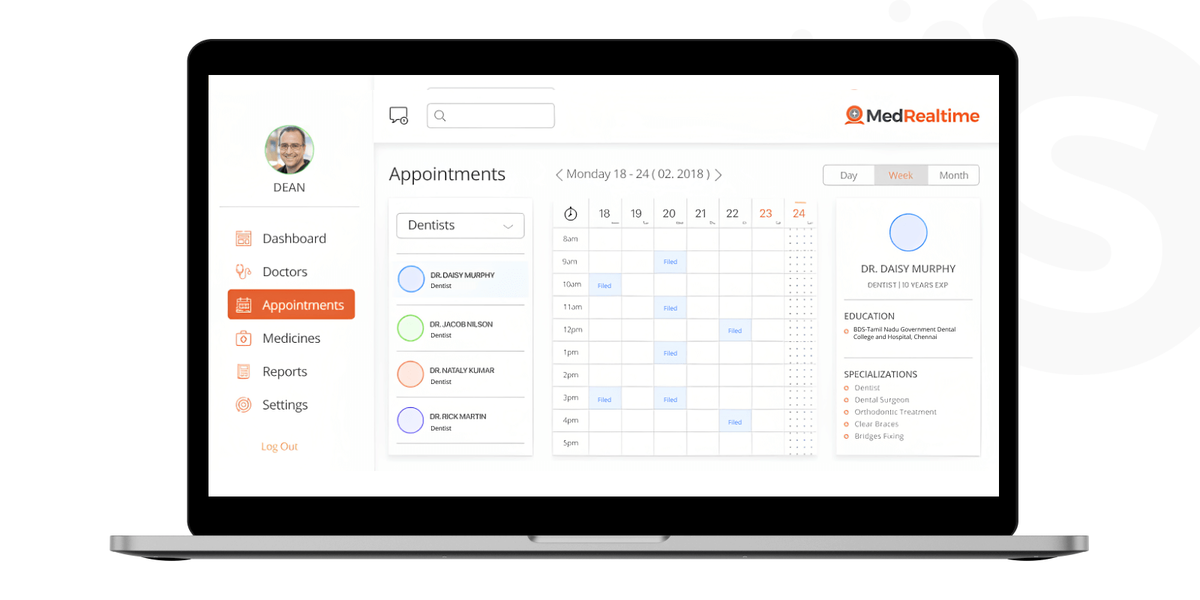
The platform integrates seamlessly with existing EHR systems, facilitating smooth data exchange and EHR interoperability.
Another solution by Softermii is HIPAA Telmed. It is a web-based app that introduces a brand-new online dynamic where physicians and their patients interact. HIPAA Telmed incorporates key functionalities found in everyday apps, such as sharing documents and managing appointments, into its telemedicine software.
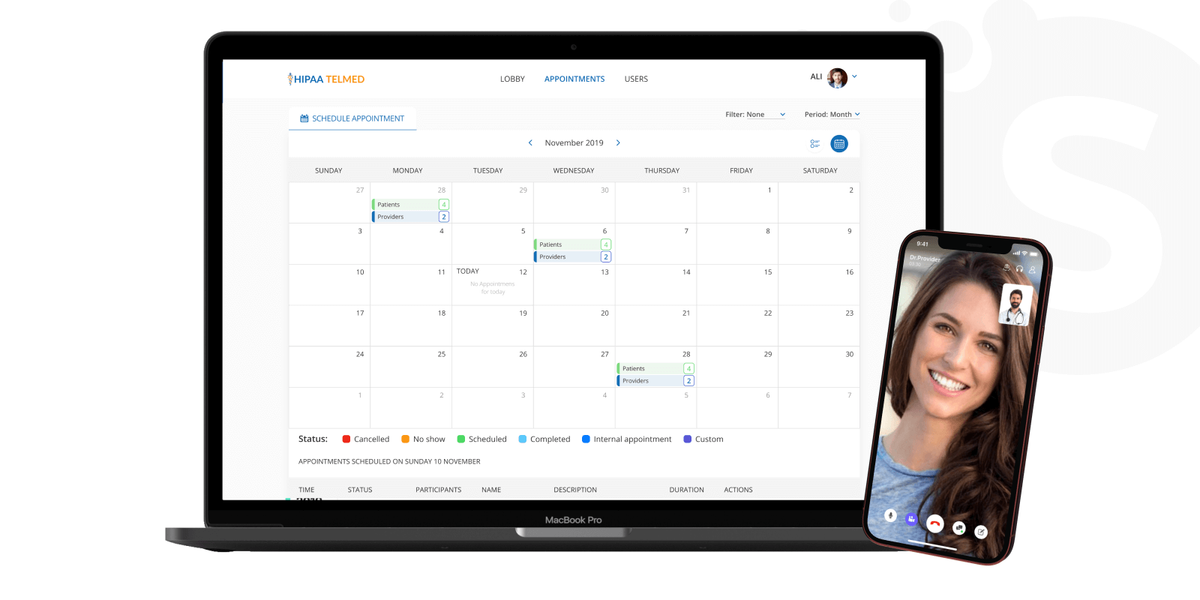
The telemedicine app strives to transform doctor-patient connections and lower healthcare expenses for both patients and hospitals.
Conclusion
Integrating telehealth systems into your practice offers numerous benefits, including streamlined workflows, improved patient care, and enhanced efficiency.
It is essential to be aware of the common challenges of ehr implementation that may arise, such as compatibility issues, staff acceptance, costs, and data privacy concerns.
Softermii will assist with a wide range of healthcare app development services, following all relevant security protocols such as GDPR, HL7, and SOC2. Contact us if you want to benefit from a professional approach to medical software development.
Unlock numerous benefits impacting patient care efficiency, security, and quality with EHR seamless integration within your practice management system.
Frequently Asked Questions
Why should I consider integrating EHR into my practice?
Integrating EHR into your practice offers numerous benefits, such as streamlined workflows, improved patient care, enhanced data accuracy, and increased efficiency.
How does EHR integration impact the effectiveness of my product?
HR integration enhances the effectiveness of your product by enabling seamless data exchange, improving care coordination, facilitating accurate and up-to-date patient information, and enhancing overall operational efficiency.
How can Softermii assist with ensuring data security and privacy during EHR integration?
Softermii prioritizes data security and privacy in EHR integration projects. Our experienced team follows industry best practices, complies with relevant regulations such as HIPAA, and implements robust security measures to safeguard patient data throughout the integration process.
Can Softermii provide customized solutions for EHR integration?
Yes, Softermii specializes in providing customized solutions for EHR integration. Our team of experts will work closely with you to understand your specific sensor requirements and develop tailored solutions that align with your practice's unique needs and goals.
What is the expertise of Softermii in EHR integration?
Softermii has extensive experience in EHR integration, having successfully completed numerous projects. Our expertise spans various EHR systems such as Epic, Cerner, and MEDITECH, and we are well-versed in integrating EHR APIs.
How about to rate this article?
223 ratings • Avg 4.8 / 5 · Thanks for rating!
Written by:

CEO & Co-Founder
Slava Vaniukov is the CEO and Co-Founder of Softermii, with more than 10 years on the front lines of software development. He has spent that decade helping founders and enterprises turn ambitious ideas into products that ship — and that perform. Apps built by his teams have been featured on multiple “Top 10 Best App…