


Want to know more? — Subscribe
In the digitized world of the 21st century, the healthcare industry cannot afford to lag behind. Numerous clinics go for EHR software development nowadays.
In the digitized world of the 21st century, the healthcare industry cannot afford to lag behind. Numerous clinics go for EHR software development nowadays. 78% of physicians and 96% of general hospitals adopted a certified EHR. This software streamlines the storage, retrieval, and management of health data in a secure and accessible manner.
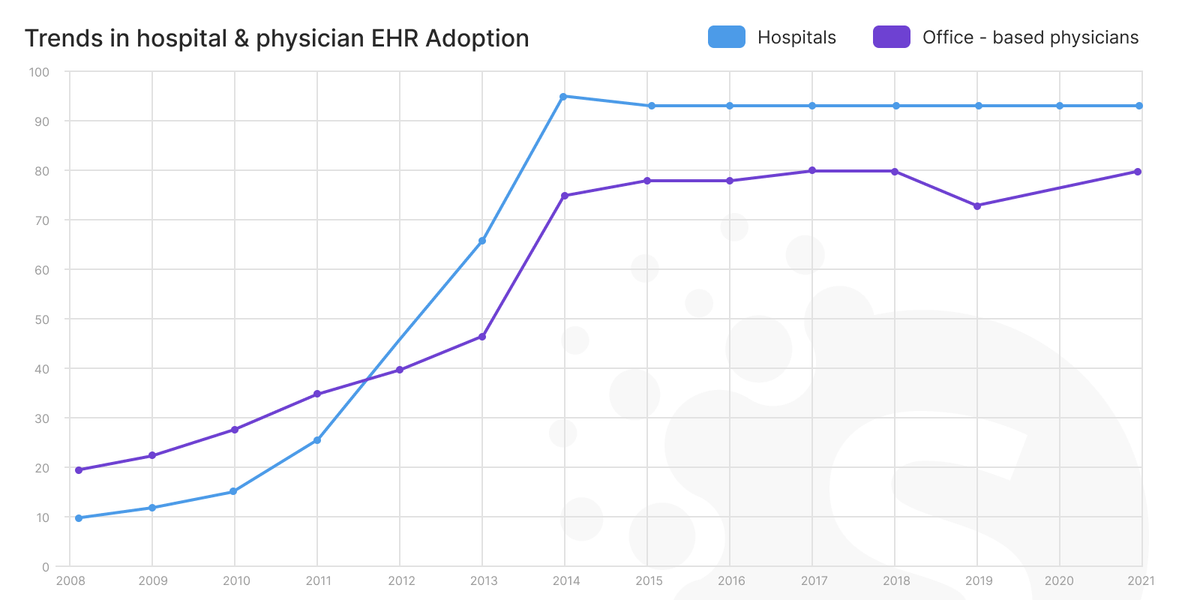
EHRs revolutionize how healthcare providers interact with data and impact the quality of patient care. They enhance data security, ease decision-making, and improve collaboration among healthcare providers. Softermii has harnessed the potential of these platforms through our My Health Explained and Infomed Telehealth solutions. They show our commitment to advancing healthcare technology for providers and patients.
This guide provides valuable insights for making an informed decision on adopting EHR technology. We'll discuss its key features, the development process, and strategies for managing the associated costs.
Want a skimmable version?
Get a quick overview of our article with AI to access all the important information quickly.
Generate AI SummaryHide summary
Want a skimmable version?
Get a quick overview of our article with AI to access all the important information quickly.
Generate AI SummaryHide summaryA step-by-step guide to building an EHR system — the key features it must have and the benefits it brings to healthcare.
Key Features of an EHR System
Building an EHR system is no small feat, given the range of capabilities required to make it efficient and effective. Here are the key features that should not be compromised:
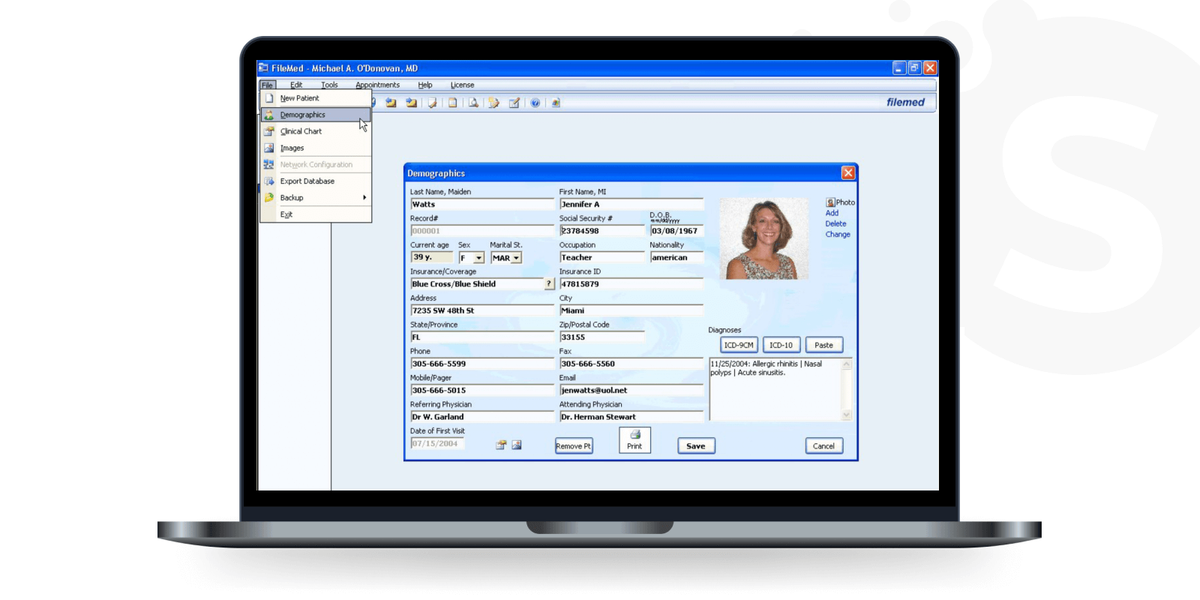
Patient Demographics
Accurate and easily accessible patient demographics are the cornerstone of any EHR system. This feature should include basic details like name, age, and address and extend to more complex data such as ethnicity and insurance coverage. It aids healthcare providers in making personalized treatment plans and streamlines administrative processes.
Medical History
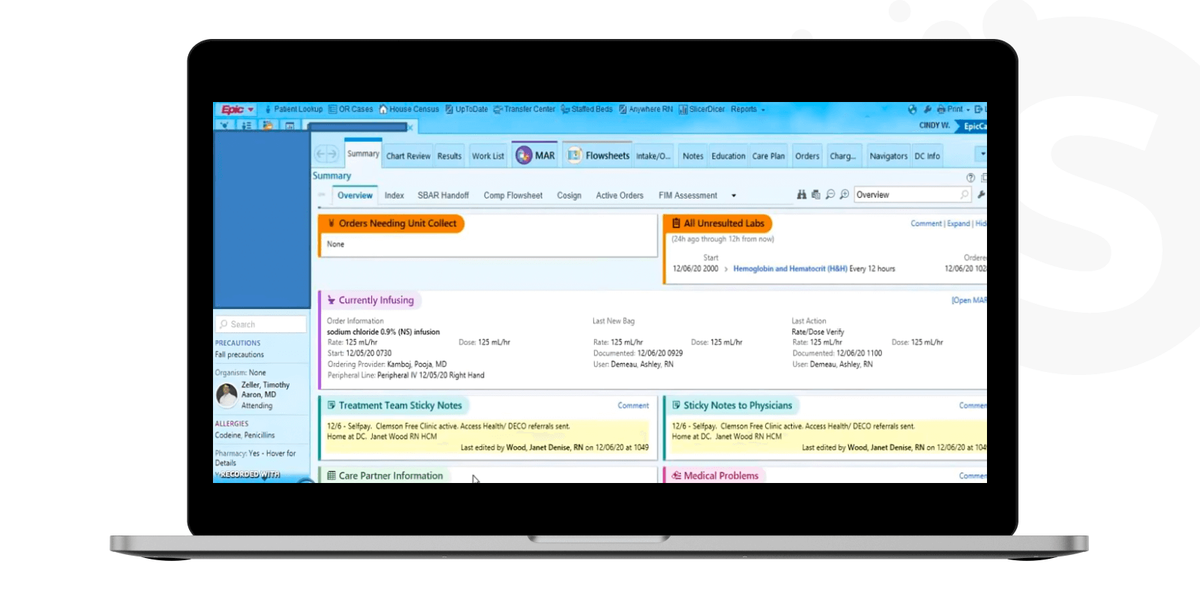
A comprehensive medical history section allows healthcare providers to have a complex understanding of the patient's health over time. This feature stores past diagnoses, surgical procedures, vaccinations, and other health-related information. Medical history is a valuable reference point for clinicians to make informed decisions.
Medication Records
Medication records in an EHR system document all medicines a patient has been prescribed or is currently taking. This feature helps to prevent adverse drug interactions and ensures that care providers are fully informed when making medication-related decisions.
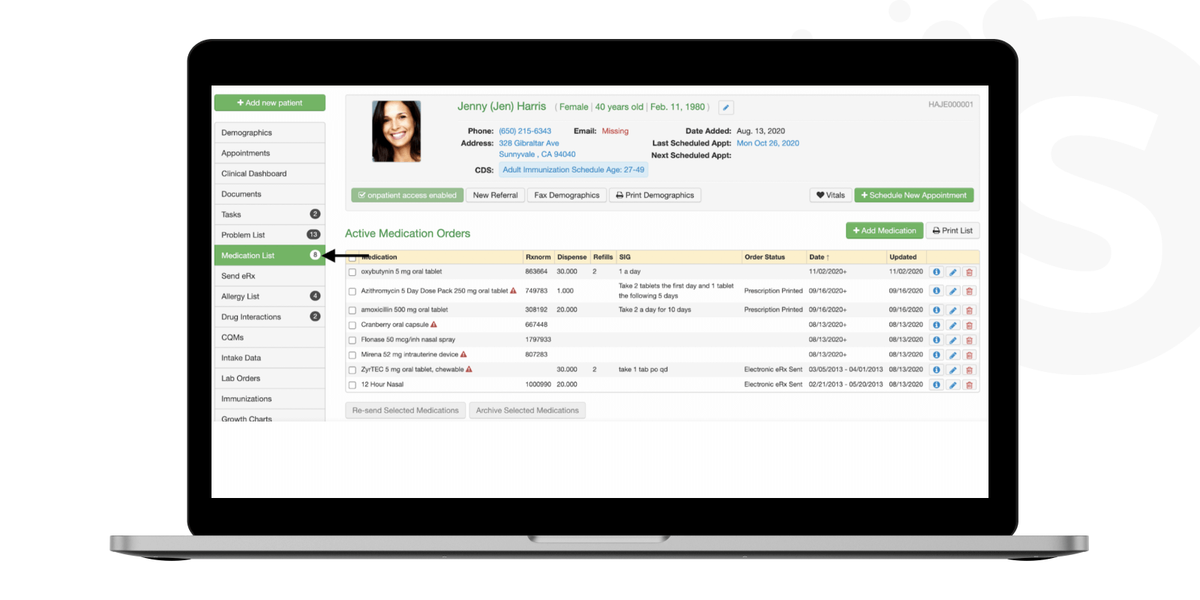
This feature stores all prescribed medications, dosages, and duration. It should also flag potential drug interactions or allergies, thus aiding in safe prescription practices. Having a complete and up-to-date medication record minimizes the risk of medication errors and drug-related incidents.
e-Prescribing
Physicians can send prescriptions directly to pharmacies with an e-prescribing feature. It speeds up the medication dispensing and eliminates the risk of misinterpretation due to poor handwriting or verbal miscommunication. This approach is also more convenient to patients and healthcare providers as it streamlines the prescription process.
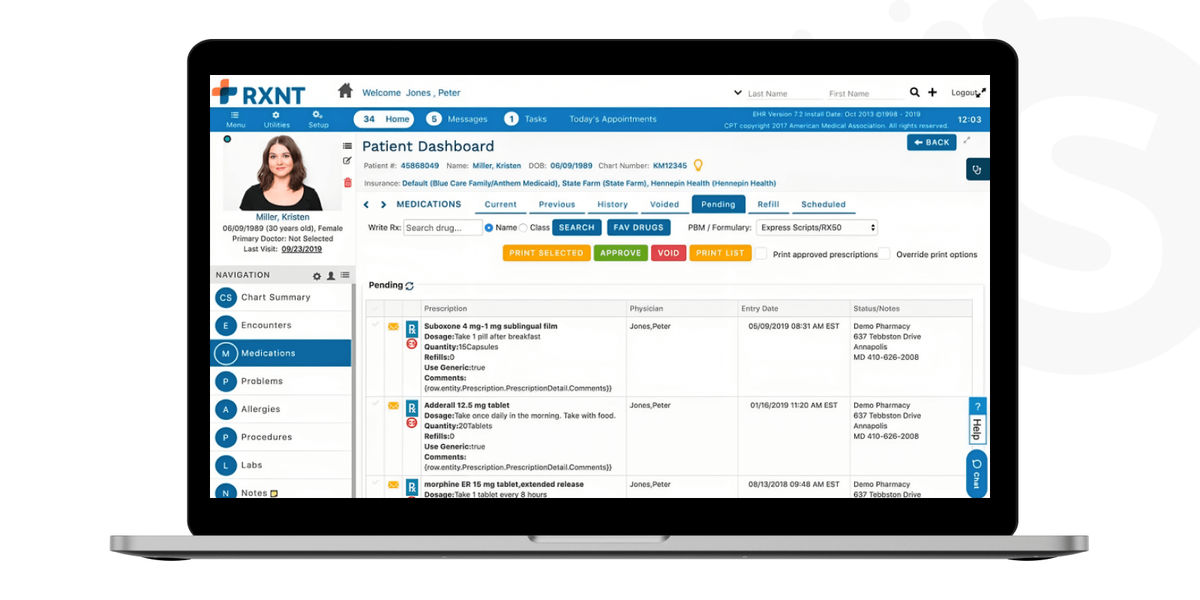
Integration with Labs and Imaging
A highly functional EHR should be capable of seamless integration with lab and imaging systems. The feature allows clinicians to order tests, receive results, and view images within the EHR. This integration streamlines diagnosis and treatment planning, making healthcare delivery more efficient.
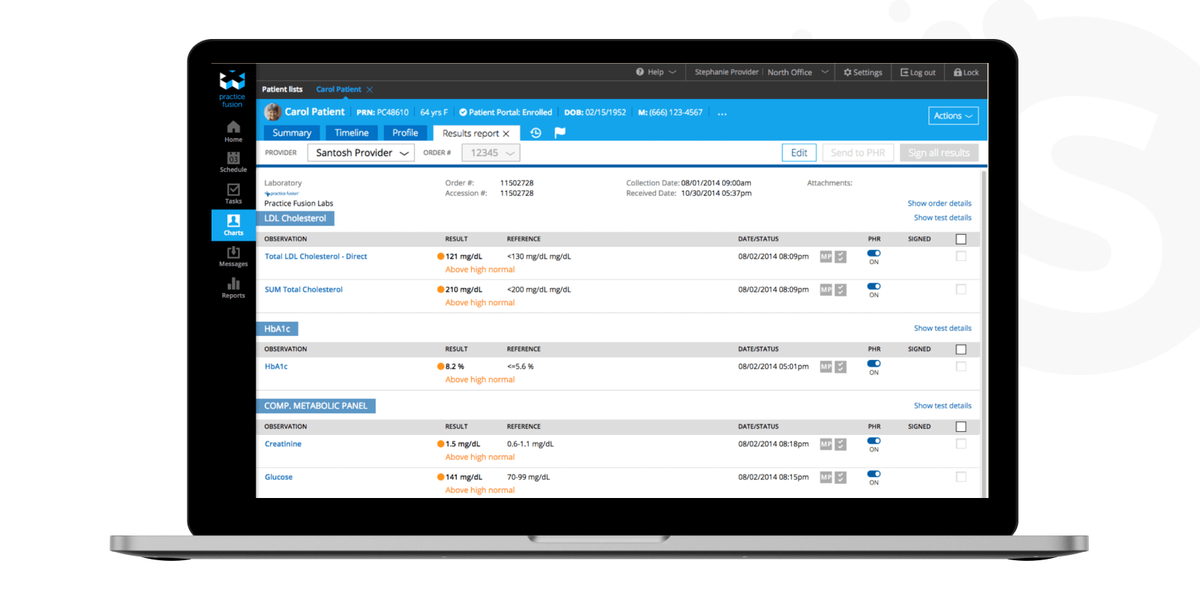
Patient Portal
A patient portal offers patients a secure online space within the EHR. Users can access their medical data, book appointments, and communicate with providers. This self-service platform empowers patients to be more involved in their healthcare journey. It also reduces the administrative workload for the staff.
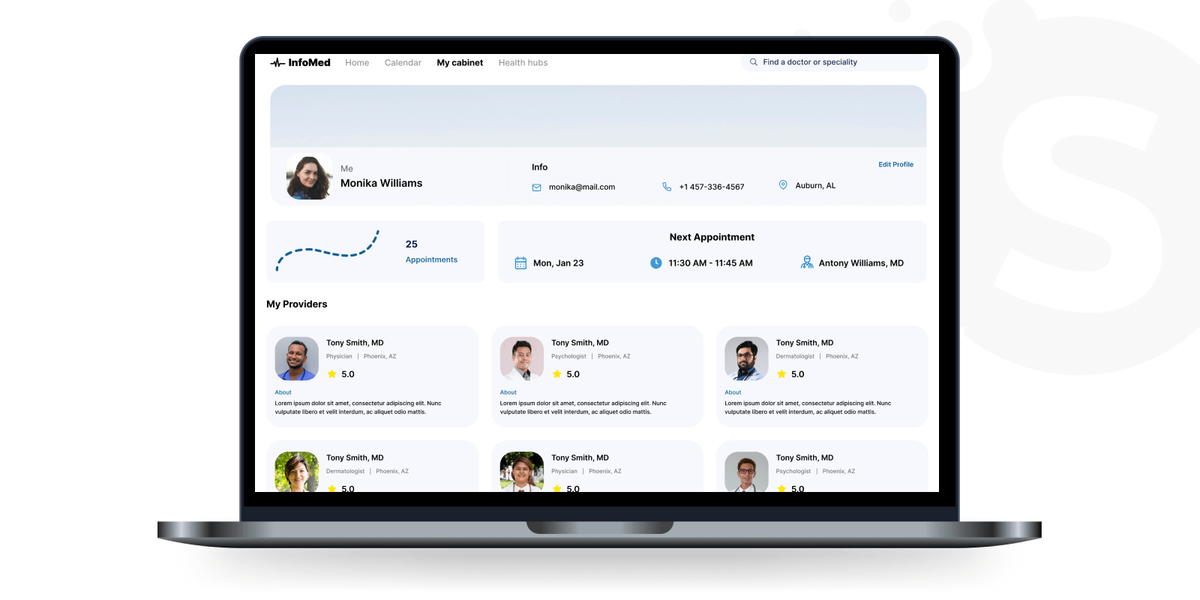
User Access Control
Security is paramount in healthcare systems. An EHR should have robust user access control features that allow administrators to set permissions based on roles. This approach ensures that only authorized individuals can access sensitive patient information.
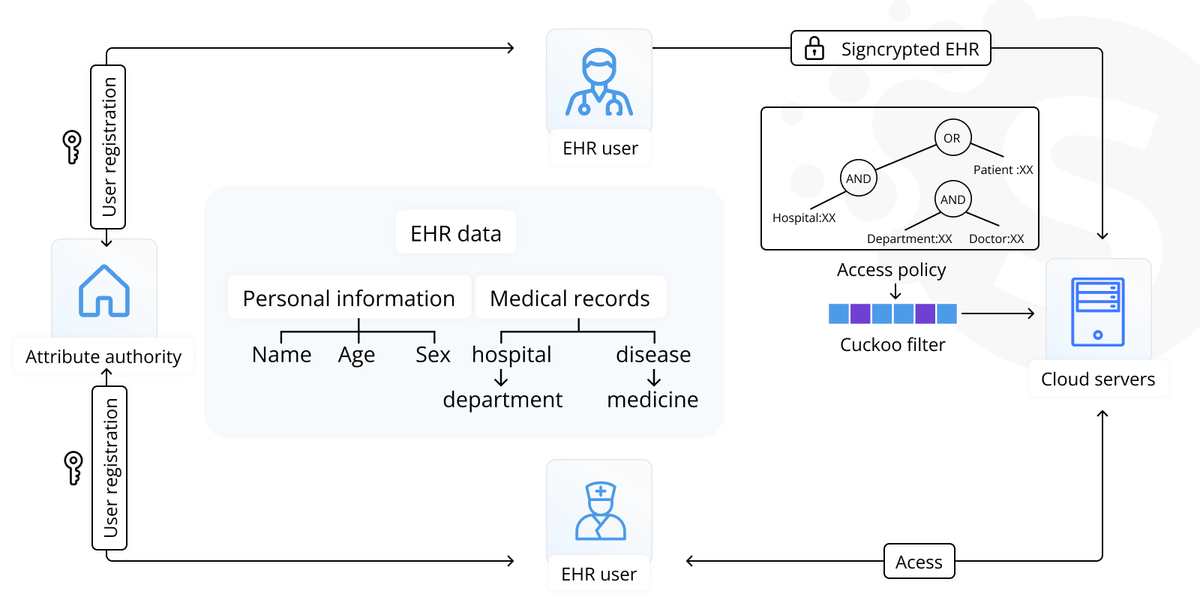
Benefits of Using EHR Systems
EHR system development typically brings transformative changes to healthcare institutions. Its advantages go beyond mere digitization of patient data. Here's a closer look at how EHR systems contribute to healthcare delivery:
Improved Patient Care
EHRs offer the potential for significantly improved patient care. By centralizing all relevant medical information, providers have quicker access to patient records. EHR software development streamlines the diagnosis process and allows for personalized treatment plans. Centralized data facilitates collaboration among clinical staff, leading to more accurate decisions and better patient outcomes.
Enhanced Data Security
Traditional paper-based record-keeping is susceptible to numerous risks. It could be physical damage like fires and floods or unauthorized access. EHR systems come with advanced security protocols to safeguard sensitive information. Encryption, backup system, and user access control features protect against data breaches. This level of security enhances a healthcare organization's compliance with regulations such as HIPAA.
Efficient Workflow
EHR systems streamline administrative and clinical processes, thus improving overall workflow. Scheduling appointments, processing billing, and managing referrals become more straightforward. Thus, healthcare professionals can focus more on patient care rather than paperwork. The centralization of information also eliminates redundant tasks, saving time and resources.
Environmental Benefits
Going paperless with EHR systems offers environmental advantages as well. The reduced need for paper, ink, and associated supplies lowers a healthcare organization's carbon footprint. When you decide to build an EHR software, you contribute to ecological sustainability efforts.
Reduced Medical Errors
One of the major advantages of EHR systems is the potential for reducing medical errors. Providers can enhance the accuracy of diagnoses and treatments with well-organized patient records. This way, EHR systems minimize the risk of errors that could harm patient well-being.

Project Calculator
Get the detailed project estatimation – choose the details of your product and calculate the quote of the development
Calculate nowPatient Engagement
Patients become more proactive in their healthcare by being offered a patient portal feature in EHRs. Easy access to medical records, direct communication with healthcare providers, and appointment scheduling increase patient engagement and satisfaction.
Cost Savings
The initial investment to build an EHR system might be large. Yet, its long-term financial benefits are noteworthy. The automation of administrative tasks cuts down operational costs. Better coordinated care and reduced error rates can minimize malpractice claims. It would be another potential saving.
Interoperability
EHR systems enhance interoperability among different healthcare systems. An EHR can communicate with other platforms, whether a specialist clinic, a laboratory, or a hospital. The system ensures that patient data remains consistent across the board. It is especially important for patients receiving care from multiple healthcare providers.
EHR Software Development Stages
Making EHR software is a multifaceted task. It requires careful planning, robust design, and ongoing support. Understanding the crucial stages provides valuable insights for anyone considering EHR system development.
Discovery & Preparing to build EHR system
Identifying Your Needs
Assessing the needs of your healthcare business extends beyond size and specialties. Consider the patient demographics you serve, your workflow, and even the type of equipment used. Understanding these factors will shape the custom features you may need.
Legal and Regulatory Considerations
Ensuring compliance with healthcare regulations like HIPAA is non-negotiable. Other data privacy laws might apply depending on your jurisdiction. Budgeting and resource allocation are also critical to ensure the project's viability. Establish a budget and allocate resources for the system's development and ongoing operation.
Selecting the Right EHR Software
When selecting software, look for flexibility and customization options. Adapting to future changes in regulations or healthcare practices is crucial. Also, consider customer reviews and case studies to gauge vendor reliability.
78%
78% of physicians and 96% of general hospitals adopted a certified EHR
EHR System Design
UI/UX Design
The interface should be user-friendly and customizable to the roles of the users. Doctors, nurses, and administrative staff may require different functionalities. Thus, the EHR system should cater to these variances.
Database Design and Management
The database should be scalable to accommodate a growing patient base and complex datasets. Regular database audits help in maintaining optimal performance.
Integration with Other Healthcare Systems
HL7 interface integration ensures seamless data exchange between the EHR and other healthcare systems. Using international standards and protocols can make your system more versatile and interoperable. A standardized approach to data exchange, such as using FHIR, is recommended for efficient data sharing across systems.
EHR Development
Choosing the Right Technology Stack
The choice of a technology stack for an EHR system impacts the system's functionality, performance, scalability, and maintainability. Here is a breakdown of a recommended tech stack for different aspects of development:
| Back-end Technologies | Java | Known for its performance and security features. Often used in healthcare applications. |
| Back-end Technologies | Python | Offers extensive libraries and ease of use. |
| Back-end Technologies | .NET Core | Becomes useful in a Microsoft ecosystem as it integrates with other Microsoft products. |
| Front-end Technologies | React | Known for its flexibility and performance. |
| Front-end Technologies | Angular | Offers robust features out-of-the-box, including two-way data binding, dependency injection, and directives. |
| Front-end Technologies | Vue.js | Offers a blend of Angular/React’s best features. |
| Database Management | MySQL | An open-source and widely-used relational database. |
| Database Management | PostgreSQL | Known for its performance, extensibility, and SQL compliance. |
| Database Management | MongoDB | A NoSQL database that provides high performance and easy scalability. |
| Data Exchange and Interoperability | FHIR (Fast Healthcare Interoperability Resources) | A standard for data formats and elements and an API for exchanging electronic health records. |
| Data Exchange and Interoperability | HL7 (Health Level Seven) | A standard for transferring data between healthcare service providers. |
| Mobile Development (if applicable) | React Native | Allows writing the app's UI in JavaScript while delivering native performance. |
| Mobile Development (if applicable) | Flutter | An option for a cross-platform mobile app development known for its fast rendering and dynamic UI. |
| DevOps and Cloud Computing | Docker | Enables containerization, which simplifies dependency management. |
| DevOps and Cloud Computing | Kubernetes | For orchestration of containerized applications. |
| DevOps and Cloud Computing | AWS/Azure/GCP | Offer a range of services tailored for healthcare solutions, including compliance with regulations like HIPAA. |
| Security Technologies | OAuth 2.0 | For secure authorization in cloud systems and APIs. |
| Security Technologies | SSL/TLS | For secure data transmission over networks. |
| Security Technologies | Data Encryption Libraries | Such as AES or RSA for encrypting sensitive patientdata. |
The good news is that you don't need to worry about the right blend of these technologies. The development team considers each component based on your project's specific needs. After that, they can build an EHR software that is robust, scalable, and compliant with industry standards and regulations.
Building the Back-end
High availability and fault tolerance are must-haves for the back-end infrastructure. Utilizing cloud services can provide an extra layer of reliability and scalability. Regular code reviews are essential for maintaining code quality.
Developing Front-end Applications
The front-end should be built for different web, mobile, and kiosk systems platforms. It ensures accessibility for all user types, including patients and healthcare providers.
Incorporating Security Measures
Beyond the obvious encryption and user authentication, it's important to implement additional measures. Developers should consider multi-factor authentication and regular security audits for the system's integrity.
Testing and Quality Assurance
Multiple rounds of testing should be performed under different scenarios to gauge the system's performance under stress, typical usage, and edge cases. Various types of testing allow for ensuring the system's reliability and compliance. They are:
- unit testing;
- integration testing;
- user acceptance testing;
- security testing;
- data migration testing.
Maintenance and Support
Implement a proactive approach to performance monitoring using real-time analytics tools. Also, have a contingency plan for unexpected downtime or system failures, which includes a rapid response team to resolve issues. For instance, predictive maintenance uses AI to predict and prevent potential system issues.
Technical Documentation
Proper documentation can streamline troubleshooting and future development efforts.
Cost of EHR System Development
The financial aspect of developing an EHR system is always a critical consideration. First, let's summarize the development stages mentioned above. The following table provides an overview of the estimated time and cost you must invest to create EHR software.
| Stage | Time | Cost |
|---|---|---|
| Discovery | 160 hours | $6 400 |
| UI/UX Design | 280 hours | $11 200 |
| Development | 640 hours | $25 600 |
| Testing and QA | 240 hours | $9 600 |
| Technical Documentation | 40 hours | $1 600 |
| Total: | 1360 hours (8 months) | $54 400 |
You may need to budget approximately $X, and the EHR solution may be completed in X months. However, please keep in mind that these figures are estimates. We recommend contacting our team for a precise cost assessment for your unique project.
The cost depends on several additional factors; understanding these variables can help in budgeting and planning. Below are key elements that influence the final development cost of an EHR system:
Scale and Complexity
The scale and complexity of the EHR system will directly affect its cost. A large hospital with many specialties needs a more complex system than a single-practice clinic. Also, more functionalities and customizations mean extra development hours and higher costs. Those features can include multi-platform accessibility, real-time data syncing, and advanced analytics capabilities.
Customization Requirements
An off-the-shelf solution can offer a lower initial cost as it comes with standard features. Yet, it may not suit your healthcare facility's unique needs. You may need to invest more to develop an EHR system according to your requirements. Custom solutions often require less tweaking, offering a more streamlined experience.
Technology Stack
The use of new, cutting-edge technologies often offers superior performance and security. Yet, they could also demand higher development costs due to the specialized skills required.
Integration Costs
Does your EHR system need to integrate with existing healthcare systems? For example, billing software, lab systems, or other databases. The EHR integration process will add to the overall cost in this case. Interoperability is crucial but often complex and time-consuming to implement correctly.
User Interface and User Experience
Investing in a high-quality UX/UI design is essential for efficiently using any EHR system. Making the system intuitive and user-friendly comes with its cost. Remember that poor design could result in inefficiencies that cost more in the long run.
Maintenance and Support
Initial development is just the beginning. Ongoing costs for maintenance, updates, and support are essential budget considerations. Remember to provide costs for staff training, software updates, and data backup and recovery. You also need to invest in adapting to changing regulations and technological advancements.
Bringing Telemedicine to the Next Level with <span>Medrealtime</span>
Our approach to innovative telemedicine app development
Talk to our teamData Migration Costs
Are you moving from a paper-based system or another digital system? The cost of migrating all existing records should also be factored in. Data migration is a lengthy and delicate process requiring specialized skills to ensure accuracy.
Initial Costs and the Role of MVP Features
The initial costs of an EHR system become an important consideration for healthcare organizations. One of the strategies to mitigate this investment is to start with an MVP. Minimum Viable Product includes the smallest amount of features to make the system functional and useful for early adopters.
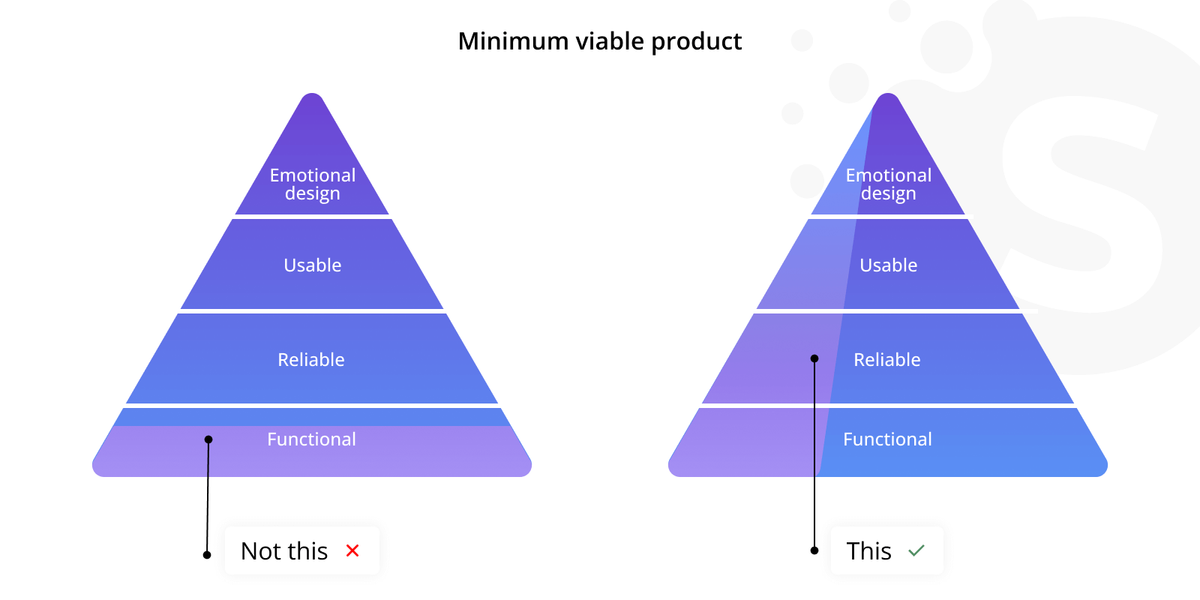
Here's how MVP features tie into the initial development costs:
Identifying Core Features
The first step in developing an MVP is identifying the core features essential for your EHR system. These are functionalities that your system cannot do without. For example, patient data management, electronic prescribing, and basic user access controls.
Faster Time-to-Market
An MVP lets you create EHR software up and running much quicker than a full-scale development. It can be crucial for smaller healthcare facilities with limited resources or for capturing market share in competitive environments. Fast time-to-market leads to faster ROI, offsetting some of the initial development costs.
Cost-Efficient Development
You can reduce the initial development time and cost by focusing on the must-have features. It's a more focused approach, allowing your development team to concentrate on a smaller set of functionalities.
User Feedback for Future Development
An MVP allows you to gather invaluable user feedback early in the process. This data is invaluable for deciding which extra features to build into the full-scale version of the EHR system. It also helps ensure that further development efforts and costs are well-directed.
Risk Mitigation
Launching with an MVP also allows you to gauge market interest and user engagement before committing to a larger scale and potentially riskier investment. If the MVP proves unsuccessful or needs significant changes, you've mitigated the scale of your financial risk.
Investment Attraction
A functional MVP can be a proof of concept when seeking additional funding or grants. It's essential to have a functional product, even rudimentary. It can bolster confidence and attract further funding, helping to offset initial costs.
Softermii's Expertise in EHR Development: Spotlight on "My Health Explained" and "InfoMed Telehealth"
At Softermii, we're driven by a genuine commitment to making a real impact on healthcare providers and patients. With over nine years of experience in the healthcare sector, we understand that every facility has its own unique needs. Our EHR solutions meet regulatory standards, enhance data security, and promote interoperability.
Our portfolio includes projects like "My Health Explained" and "InfoMed Telehealth." They showcase our dedication to improving patient care and prioritizing data security.
My Health Explained
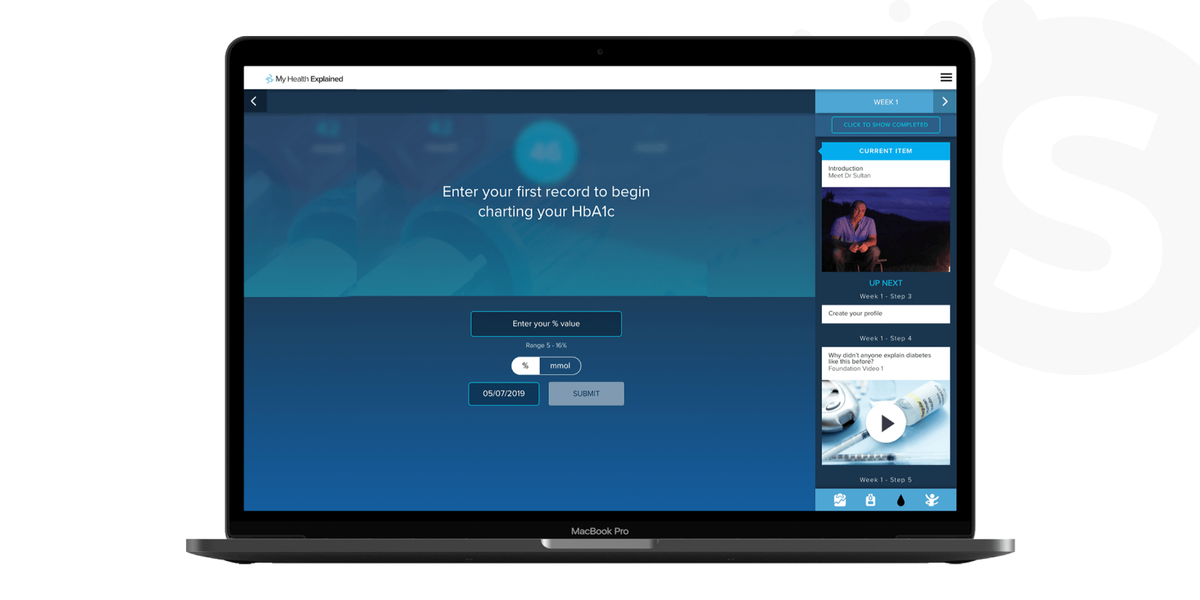
My Health Explained is a web and mobile health platform integrated with EHR capabilities. It caters to individuals facing diabetes and its challenges. It's an intuitive platform accessible to people of all technological backgrounds. Users can benefit from valuable resources and tools to effectively manage their diabetes.
InfoMed Telehealth
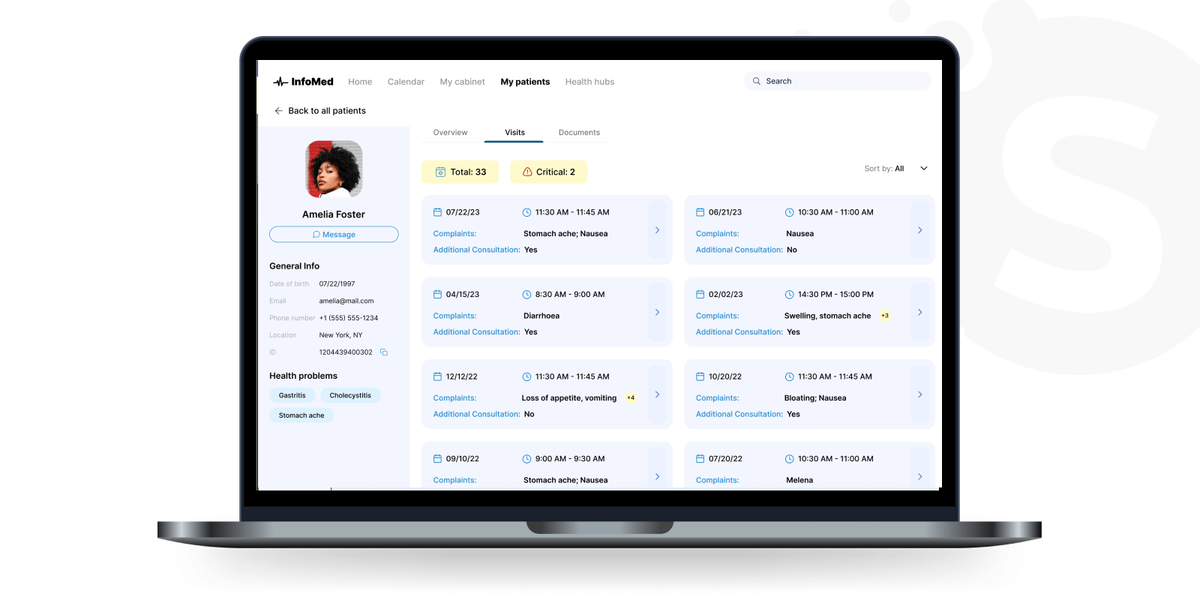
InfoMed Telehealth eases effortless telehealth visits between healthcare providers and patients. This platform aids in scheduling and acts as a rich information hub, hosting a variety of resources on different health topics. One of the standout features is the integration of an FHIR-compliant EHR system. It elevates the platform's security measures and enhances the advanced search features.
Conclusion
A well-designed EHR system should be more than a simple digital filing cabinet. This multifaceted platform improves healthcare quality and clinics' operational efficiencies. Failing to adopt EHR technology isn't a missed opportunity when healthcare is data-driven and patient-centric. It's a step away from all the progress made in the industry.
The barriers to moving to EHR systems are becoming less formidable as technology advances, and the benefits continue multiplying. Utilizing an MVP approach can provide a cost-effective entry point.
Now is the time to take this critical step. Partner with experts who can navigate the intricacies of Electronic Health Record software development. Ready to move forward? Contact Softermii to discuss your EHR project. Explore tailored solutions designed to meet your healthcare facility's unique needs.
Let's innovate healthcare together!
EHRs revolutionize how healthcare providers interact with data and impact the quality of patient care, enhancing data security, ease decision-making, and improve collaboration among healthcare providers
Frequently Asked Questions
How do EHR and EMR differ?
Electronic Medical Records are digital versions of paper charts in a clinician's office. They contain information collected by and for the clinicians, covering the medical history at a single practice.
EHRs are designed for sharing across different healthcare providers, like laboratories and specialists. EHRs offer a broader view of a patient's health for a comprehensive approach to patient care. They contain information from different healthcare providers and facilities.
Can EHR systems be integrated with telehealth platforms?
EHR systems can be integrated with telemedicine for a seamless healthcare experience. It allows providers to schedule virtual consultations and access real-time patient records. They can share medical records and even conduct e-prescribing from a single interface. This integration facilitates better coordination among healthcare providers. It also enhances the healthcare quality, even at a distance.
For example, our InfoMed Telehealth project is a telehealth platform with an EHR system. These features make it a one-stop solution for both providers and patients.
How does the patient portal work in an EHR system?
A patient portal offers patients 24/7 access to their health information. They can view medical histories and test results. Patients can also manage their appointments and communicate with providers. Some advanced systems go further and offer educational resources and personalized health insights. Patient portals foster communication between patients and healthcare providers, encouraging proactive health management.
What role does AI play in EHR development and usage?
AI analyzes large amounts of data to offer predictive analytics and assist in diagnosing conditions based on medical records. They can automate routine tasks such as appointment scheduling or medication reminders. Natural language processing can convert spoken or written language into structured data. ML models use historical data to predict patient outcomes.
Is it possible to customize an EHR system to specific medical specialties?
Your development team can customize it to cater to specific medical specialties. Specialized EHR systems are available for cardiology, pediatrics, and oncology fields. For instance, an EHR system for a cardiology practice may include specific modules for tracking patient heart rates and ECGs. A dental EHR may focus on oral X-rays and periodontal charts.
Customized EHR systems can enhance both diagnosis and treatment plans. This way, healthcare providers can have the most relevant information.
How about to rate this article?
19 ratings • Avg 4.5 / 5 · Thanks for rating!
Written by:

CEO & Co-Founder
Slava Vaniukov is the CEO and Co-Founder of Softermii, with more than 10 years on the front lines of software development. He has spent that decade helping founders and enterprises turn ambitious ideas into products that ship — and that perform. Apps built by his teams have been featured on multiple “Top 10 Best App…