Predictive Analytics in Healthcare: Benefits and Examples

Want to know more? — Subscribe
Predictive analytics in healthcare uses data, AI, and machine learning to forecast medical events and enhance patient care. Its market grew to $14.7 billion in…
Predictive analytics in healthcare uses data, AI, and machine learning to forecast medical events and enhance patient care. Its market grew to $14.7 billion in 2023 and is expected to reach $67.5 billion by 2030.
With predictive analytics, providers can offer personalized care and expect potential health crises. Institutions can streamline operations, improving patient outcomes and reducing healthcare costs. With over nine years of expertise, Softermii experts offer insights into current applications. This article explores the advantages and provides examples of predictive analytics for healthcare and the technologies supporting it.
Want a skimmable version?
Get a quick overview of our article with AI to access all the important information quickly.
Generate AI SummaryHide summary
Want a skimmable version?
Get a quick overview of our article with AI to access all the important information quickly.
Generate AI SummaryHide summaryPredictive analytics in healthcare — what it is, why it matters, and real-world examples.
What is Predictive Analytics in Healthcare?
Predictive analytics in healthcare refers to using a blend of data, statistical algorithms, and machine learning. These tools help identify the likelihood of future outcomes based on historical data. This approach aims to forecast patient outcomes or disease progression.
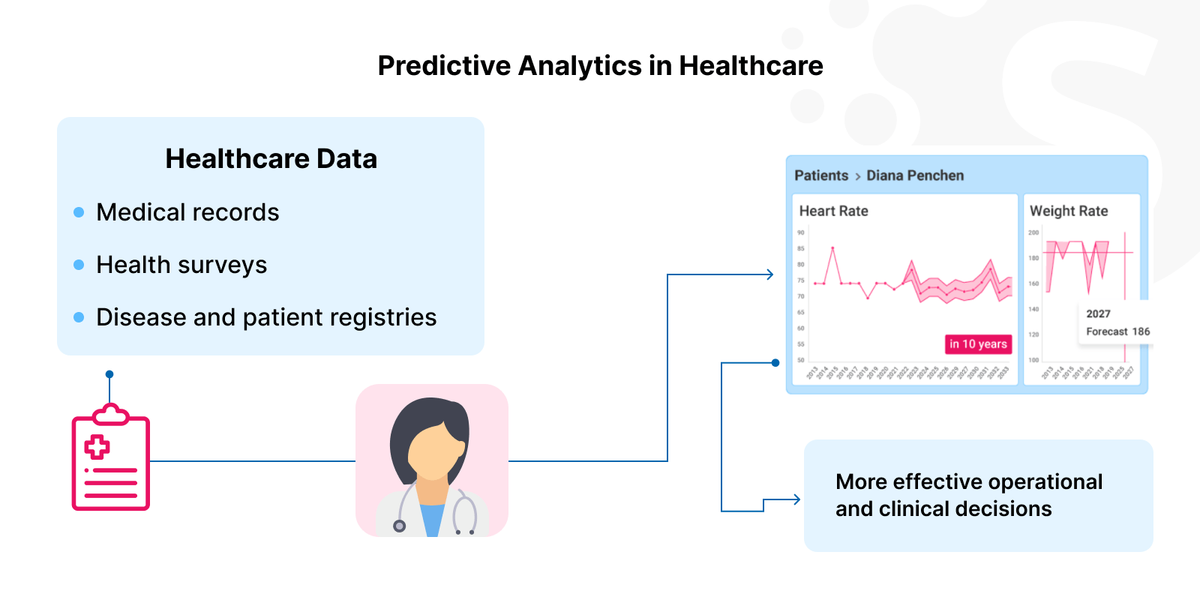
Central to predictive analytics is extracting information from existing data sets to determine patterns predicting future outcomes and trends. Some basic concepts related to predictive analytics and healthcare include the following:
- Data mining. Finding correlations and patterns in large datasets to drive decision-making. This process can uncover clinical conditions, readmission risk factors, or workflow bottlenecks.
- Statistical modeling/machine learning. Building mathematical algorithms and predictive models using historical data to forecast events. In healthcare, it includes risks like hospital readmission as well as disease progression.
- Risk scoring. Assigning risk scores to individual patients to segment populations based on probable outcomes. Scores can inform care coordination programs or preventative treatments.
- Natural language processing. Leveraging NLP and AI to convert free text in medical records into structured data suitable for analysis. Allows unlocking insights from physician notes.

Project Calculator
Get the detailed project estatimation – choose the details of your product and calculate the quote of the development
Calculate nowImportance of Predictive Analytics in Healthcare
The potential of predictive analytics in the healthcare sector is immense. It plays a crucial role in enhancing patient care and outcomes in several ways:
- Personalized Medicine. Providers can tailor treatment plans to patients based on their predicted disease risk or response to treatment.
- Preventive Care. Predictive analytics enables early identification of potential health risks. So, doctors can intervene to prevent worsening conditions, especially in managing chronic diseases.
- Resource Optimization. It helps healthcare facilities in resource planning and management. Predictive analytics also allows for wait time reduction and patient care improvement.
- Cost Reduction. By forecasting patient admissions and health episodes, hospitals can reduce unnecessary hospitalizations.
- Public Health Insights. On a broader scale, predictive analytics aids in identifying public health risks. This way, it can assist in formulating preventive strategies and policies.
- Improving Patient Engagement. Predictive tools can provide insights that empower patients to take a more active role in their health and achieve better outcomes.
Examples of Predictive Analytics in Healthcare
The application of predictive analytics and healthcare is multifaceted. It can address everything from individual patient care to public health concerns. Here are some examples that illustrate the impact of predictive analytics in the healthcare:
Risk Scoring for Chronic Diseases
Predictive models help evaluate the risk of heart disease, diabetes, cancer, and other chronic diseases. They usually analyze a patient's health data like family history with genetic and lifestyle factors. This way, providers can predict the likelihood of someone developing a chronic condition. Doctors can then concentrate on preventive measures and early intervention strategies. This approach allows them to potentially delay or prevent the onset of these diseases.
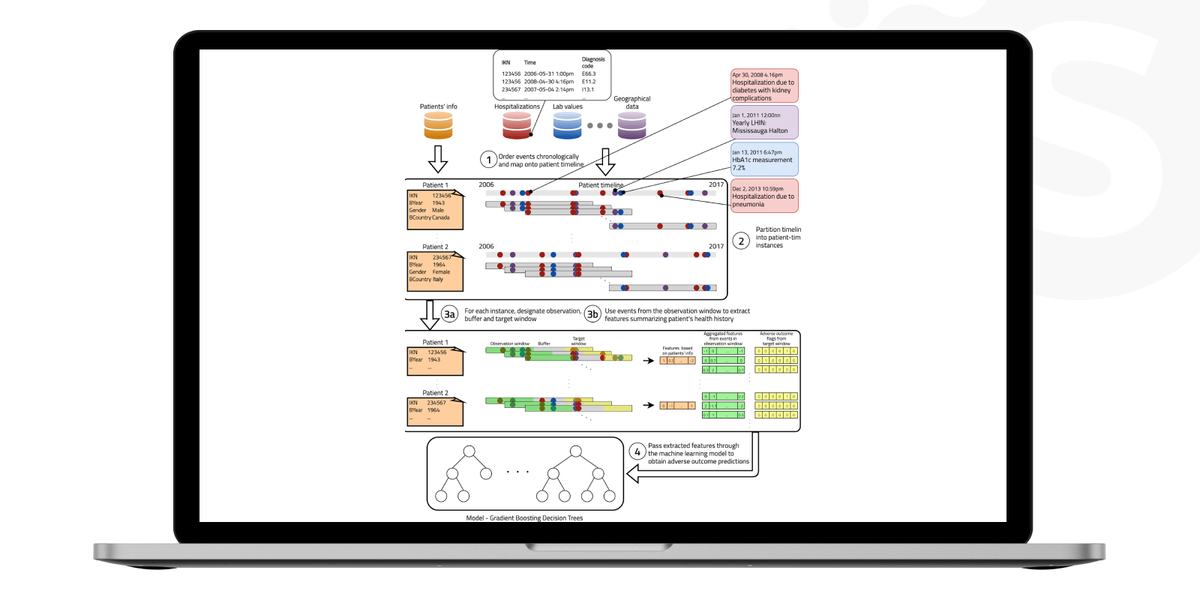
Hospital Readmission Reduction
One of the significant challenges in healthcare is reducing hospital readmissions. They are usually costly and indicate suboptimal care. Predictive analytics helps doctors identify patients at a higher risk of readmission after discharge. This information allows healthcare providers to implement targeted follow-up care and support. Thus, it reduces the likelihood of patients returning to the hospital.
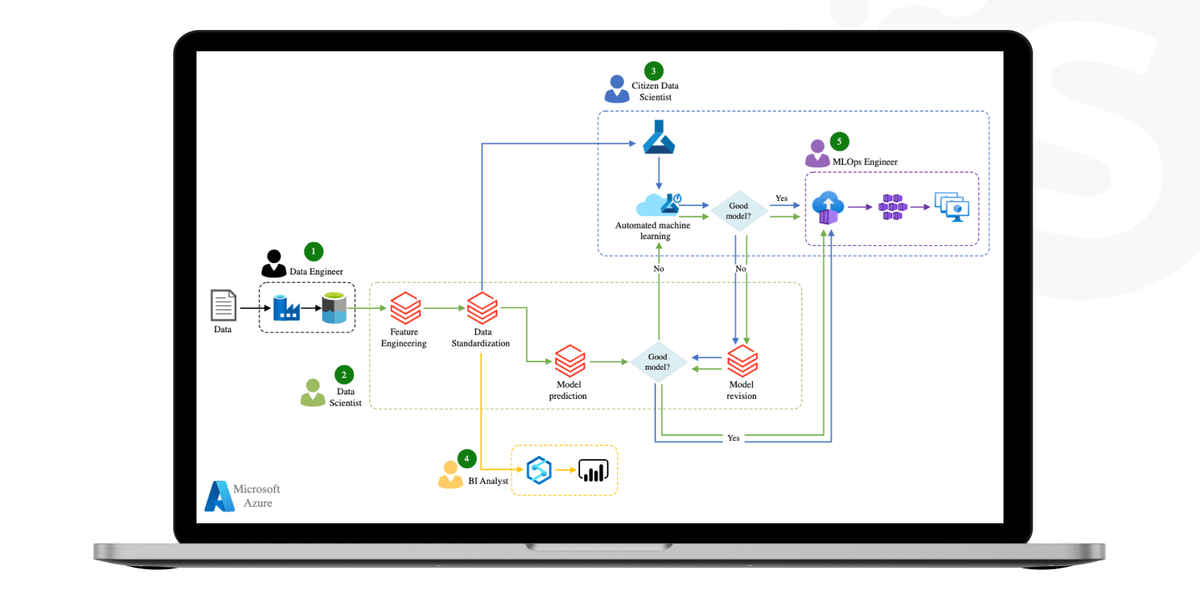
Personalized Treatment Plans
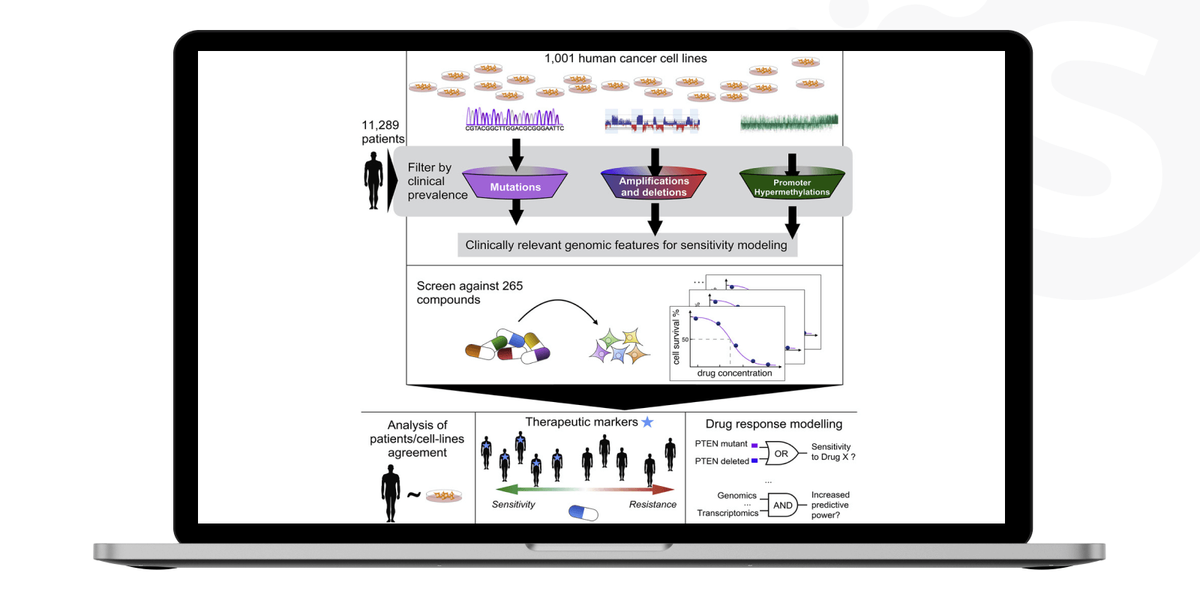
Analysis of how different patients respond to treatments enables the creation of personalized treatment plans. Institutions consider data like genetic information, treatment history, and response to previous medications. This approach improves the effectiveness of treatments, reducing the risk of adverse reactions.
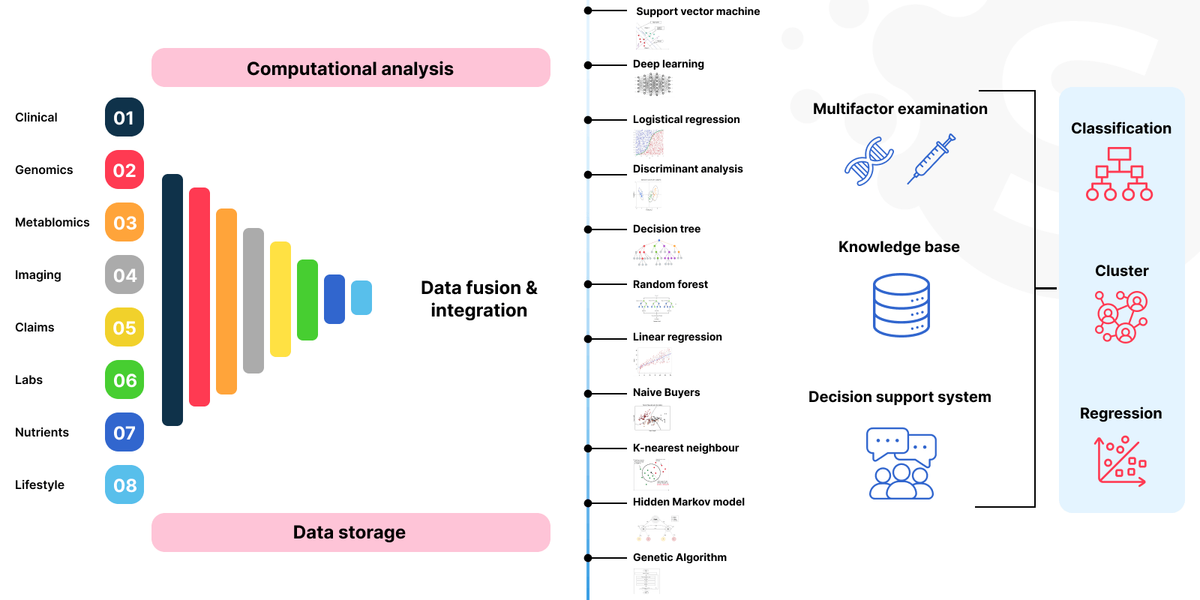
Epidemic Outbreak Prediction
Predictive analytics is crucial in public health as it forecasts the likelihood of disease outbreaks. It analyzes data from electronic health records, social media, and environmental data. It allows predictive models to identify patterns and signals indicating a possible outbreak. Health authorities can implement preventive measures and allocate resources effectively. They can prepare response strategies to lessen the impact of such events.
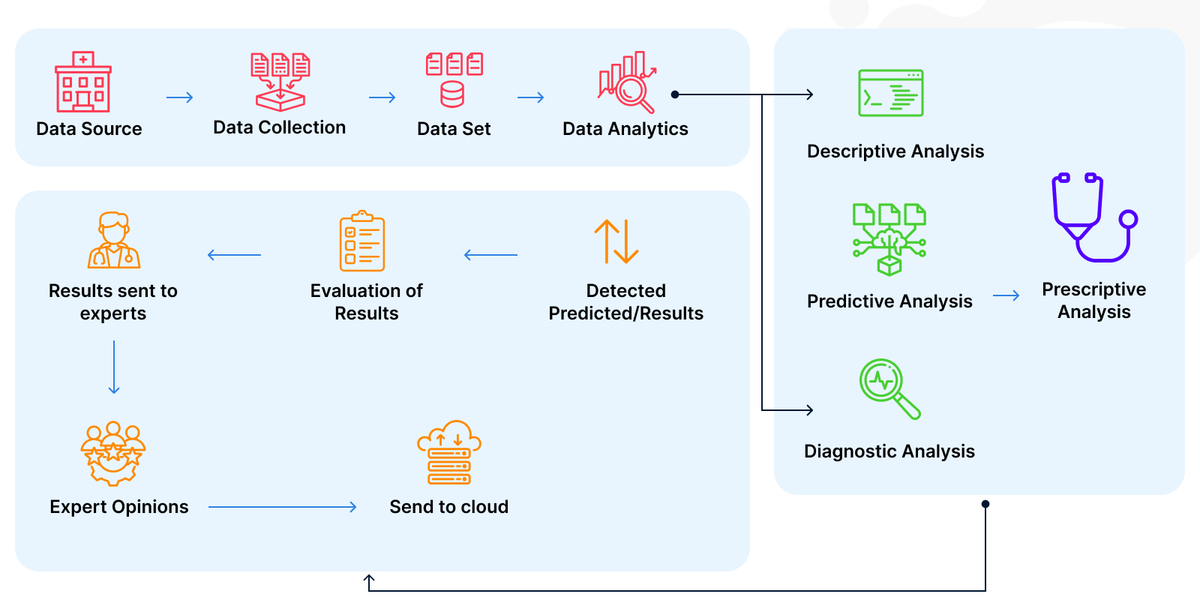
Preventive Care Recommendations
Predictive analytics improves preventive care by identifying patients at risk of developing specific conditions. For instance, by looking at their data, doctors can spot individuals prone to hypertension, diabetes, or heart diseases. Later, healthcare providers can offer personalized preventive care recommendations. This approach is particularly effective in managing chronic diseases. Early intervention often leads to better health outcomes and reduced healthcare costs.
Optimizing Staffing in Healthcare Facilities
Efficient staffing in healthcare settings ensures optimal patient care without overburdening healthcare professionals. Predictive analytics can forecast patient admission rates, peak times, and the most likely types of needed care. Its tools can forecast patient inflow, considering the following factors:
- seasonal trends;
- local events;
- ongoing health crises, and more.
This foresight enables facilities to allocate staff and resources optimally. Thus, patient care can never be compromised due to staffing shortages or mismanagement.
Drug Development and Clinical Trials
In pharmaceutics, predictive analytics can help with drug development and clinical trials. Researchers can identify potential drug candidates by analyzing past clinical trials and patient records. They can design clinical trials that are more likely to succeed. This technique speeds up the drug development process, enhancing the safety of new medications.
Resource Allocation and Supply Chain Management
Effective resource and supply chain management is crucial for running healthcare systems correctly. Predictive analytics may forecast the demand for medical supplies, medications, and other resources. Hospitals and providers can use these predictions to manage their inventory more efficiently. It ensures that they are well-equipped to handle regular demands and unexpected surges in patient numbers. In emergencies, timely availability of resources can significantly impact patient outcomes.
Key Benefits of Predictive Analytics in Healthcare
Besides improving patient care, advanced data analytics in healthcare also offers major operational and financial advantages. Its applications address some of the most pressing challenges in the industry today. Let's explore these benefits of using predictive analytics in healthcare:
Improved Patient Outcomes
By analyzing historical data, doctors can identify patterns. The prediction of potential health risks enables early treatment and prevention strategies. This proactive approach improves patient recovery rates and reduces the likelihood of complications. It also enhances the general quality of life for patients.
$14.7 billion
Predictive analytics market grew to $14.7 billion in 2023 and is expected to reach $67.5 billion by 2030
Resource Optimization
The healthcare industry often grapples with the challenge of resource allocation. Predictive analytics aids in the efficient usage of resources. It ensures that facilities are well-equipped to handle patient needs without unnecessary expenditure. Predictive models can forecast patient inflow and identify peak demand periods. They allow hospitals to allocate staff, beds, and equipment more effectively. This practice reduces wait times and prevents overstaffing or understaffing.
Personalized Medicine
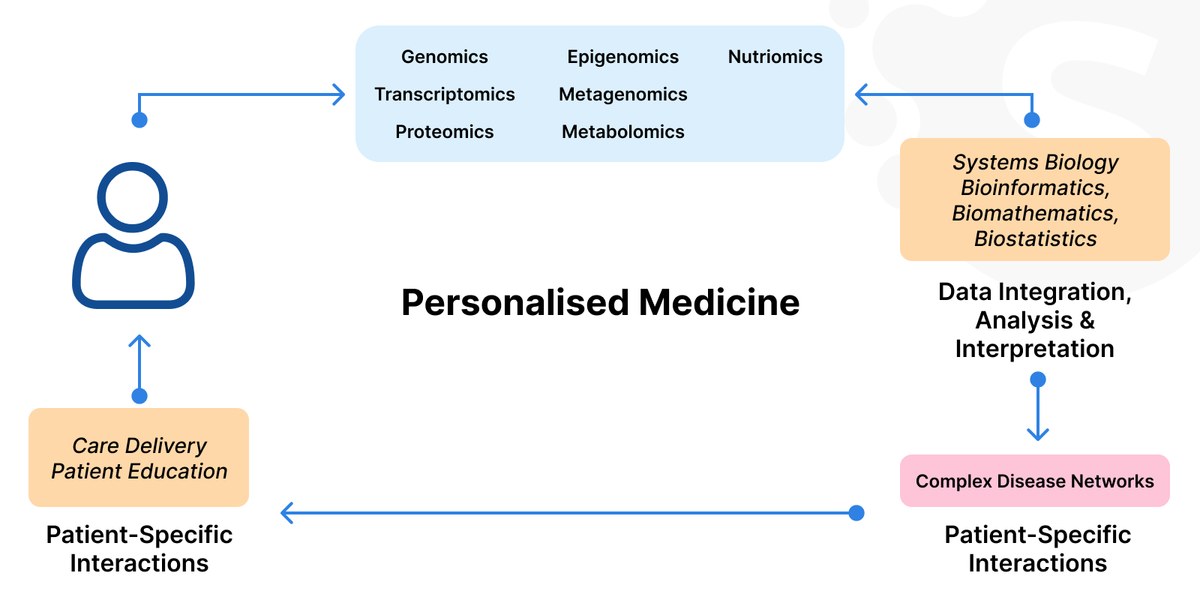
One notable application of predictive analytics in healthcare is personalized care development. Providers can offer treatments to the specific genetic and environmental factors of each patient. Thus, this personalized approach enhances the effectiveness of prescribed treatments. It also minimizes the likelihood of adverse drug reactions and potential side effects.
Disease Management
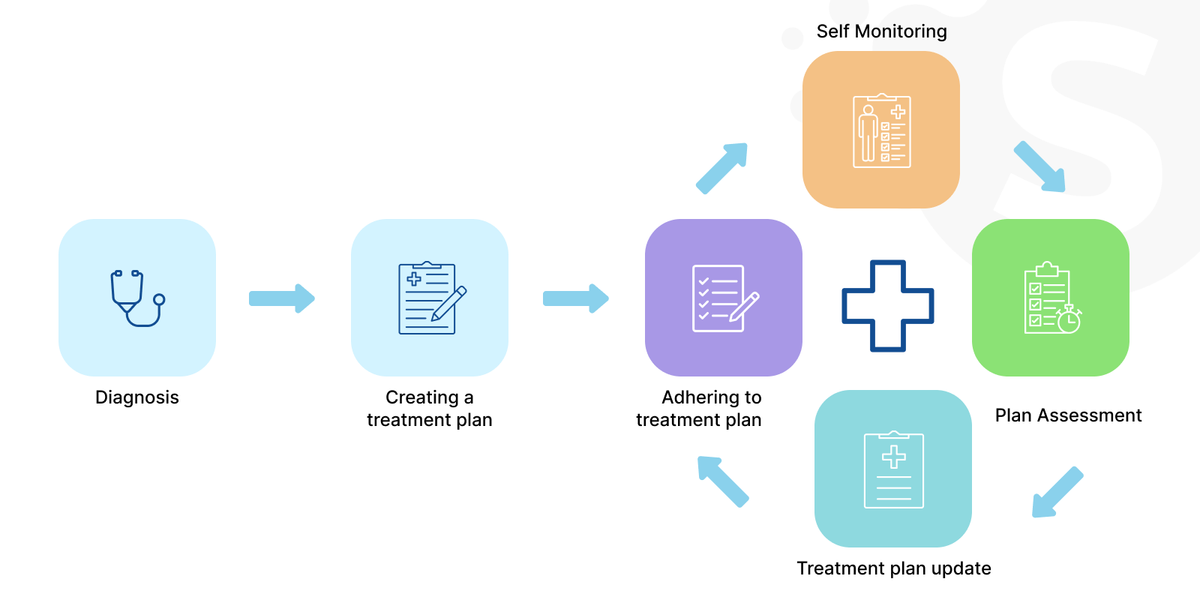
Predictive analytics is also instrumental in disease management, particularly in chronic diseases. In this case, providers monitor and analyze patient data over time. It allows them to predict disease progression and adjust treatment plans. This method mitigates disease impact, improving the quality of life for patients with chronic conditions.
Cost Reduction
Hospitals can reduce unnecessary hospitalizations and emergency room visits. Predictive models save the costs for the healthcare system, lessening the financial burden on patients.
Analytics can also help in identifying the most effective treatments. This way, patients and practitioners can avoid expensive and less effective alternatives.
Enhanced Research and Development
Predictive models significantly contribute to medical research and development. By analyzing vast datasets, researchers can uncover obscure patterns and correlations. This process often leads to medical breakthroughs, accelerating healthcare innovation. The result is more efficient development of new drugs, treatments, and medical technologies.
Risk Management
Predictive analytics streamlines the identification of patients at an elevated risk of developing specific conditions. These models can also pinpoint those who may experience adverse reactions to treatments. Thereby, healthcare providers can implement preventative measures. They can reduce the risk to patient health associated with disease progression or drug side effects.
In 2023, the worldwide market for healthcare analytics was estimated to have a value of 43.1 billion US dollars
Fraud Detection
The healthcare industry is often vulnerable to fraud. Moreover, it can have severe financial and reputational consequences. Predictive analytics can detect unusual patterns and anomalies in billing and insurance claims data. It enables healthcare institutions to identify and prevent fraudulent activities. This capability saves money, upholding the integrity of the healthcare system.
Technology Behind Predictive Analytics
Predictive analytics in healthcare relies on integrating advanced technologies and tools. This synergy is crucial for improving patient care and exploring new approaches to medicaltreatment. Initially, these technologies process and analyze extensive amounts of data. They seamlessly integrate with existing healthcare systems to boost their efficiency and effectiveness. Here, we'll discuss the key technologies and their integration in this industry.
Key Technologies and Tools
Machine learning and artificial intelligence are two main principles of analytics. With them, predictive models can learn from existing data and adapt to new information. These technologies enable hospitals and clinics to identify patterns and make various predictions. Predictive analytics in healthcare can forecast patient outcomes, disease spread, and treatment efficacy. These technologies constantly evolve, learning from new data to improve their predictive accuracy.
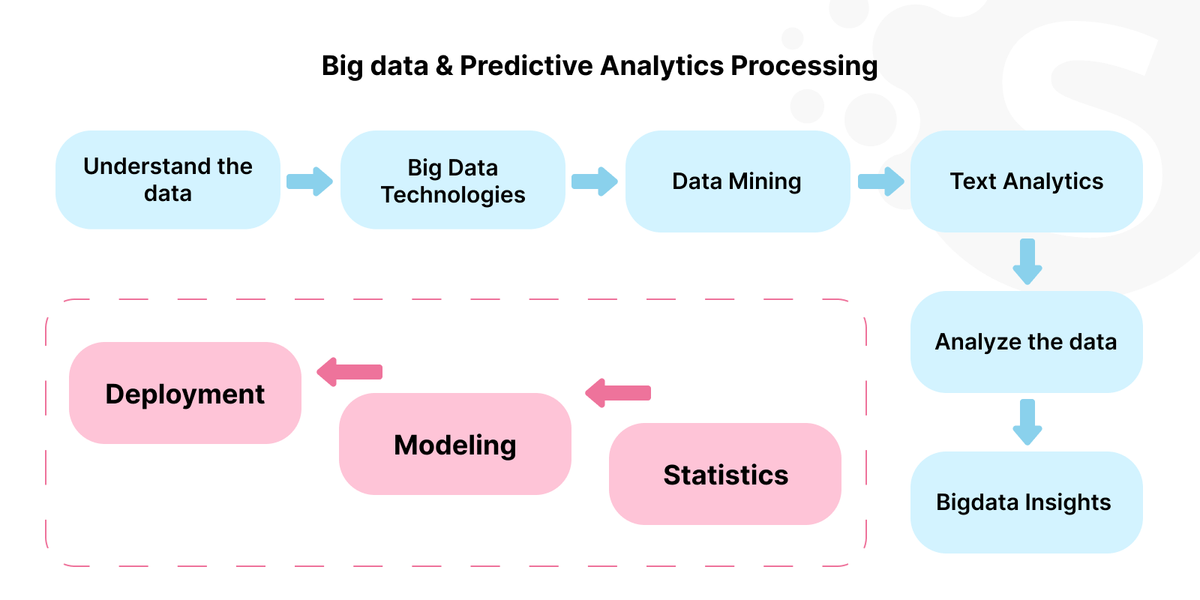
Big data technologies are essential for managing the vast amounts of generated data. They include advanced data storage solutions, powerful processing techniques, and sophisticated analytics platforms. These technologies allow for the storage and analysis of large datasets. This process provides clinics with a comprehensive view of patient health. Real-time big data analytics also facilitates data processing. It ensures that the insights by predictive analytics in healthcare are current and relevant.
Integration with Healthcare Systems
Integrating EHRs with predictive tools is a notable advancement in data management. A digital record of an individual's medical history allows providers to gather and analyze patient data over time. To improve patient care and operational efficiency, predictive models use this data to:
- forecast patient admissions;
- identify at-risk patients;
- suggest personalized treatment plans.
Telemedicine and remote monitoring technologies are also becoming integral to care delivery. Predictive analytics in healthcare using big data can analyze data collected from remote monitoring devices. Subsequently, these models can predict health events before they occur. This approach enables timely interventions and ongoing monitoring of patients. It is particularly effective for individuals with chronic conditions in the comfort of their homes.
In Summary
Predictive analytics in healthcare is a powerful tool that transcends traditional patient care. Its applications underscore its potential to transform the industry. Some of the examples include the following:
- risk scoring for chronic diseases;
- hospital readmission reduction;
- epidemic outbreak prediction;
- optimizing staffing in healthcare organizations;
- drug development and clinical trials.
Using predictive models, clinics can shift the focus from reactive to proactive and personalized care. The other benefits include cost reduction, enhanced research, and effective fraud detection.
Are you looking to integrate predictive analytics into your practice or want to learn more about its potential? At Softermii, we understand its importance in the healthcare sector. With our expertise in developing advanced solutions, our team is here to help you with these innovative technologies. Drop us a line and explore how to create a smarter and patient-centric healthcare system with predictive analytics.
Offer personalized care, streamline operations, improve patient outcomes and reduce healthcare costs with predictive analytics
Frequently Asked Questions
How is predictive analytics used in healthcare?
Predictive analytics in healthcare is used to analyze historical and current data to forecast future outcomes. It uses tools like artificial intelligence, machine learning, and big data analytics to:
It also involves using data sources like EHRs, patient surveys, and wearable technology data.
What types of analytics are used in healthcare?
In healthcare, three main types of analytics are used:
What are the challenges associated with implementing predictive analytics in healthcare?
Challenges in implementing predictive analytics in healthcare include the following:
Addressing these challenges is important for the successful adoption of predictive analytics.
How does predictive analytics improve patient care?
Predictive analytics allows healthcare providers to:
This proactive approach leads to better patient outcomes and an efficient healthcare system.
What role does AI play in predictive analytics for healthcare?
Artificial intelligence can process and analyze large amounts of healthcare data quickly and accurately. These tools recognize patterns that humans may not notice. AI's continuous learning capability ensures adaptability and relevance in evolving healthcare scenarios. In healthcare, artificial intelligence is used for:
How about to rate this article?
0 ratings • Avg 0 / 5 · Thanks for rating!
Written by:

Co-Founder
Andrii Horiachko is a Co-Founder of Softermii with over 12 years of experience in software development, eight of them spent building and managing Softermii itself. He is responsible for technology-innovation in clients’ projects, making sure every product runs on a modern, carefully chosen tech stack that can sustai…